
 IDOLxISxDEAD
When Friday the 13th: The Game launched in 2017, it significantly transformed the asymmetrical horror genre, bringing it mainstream popularity and longevity it hadn’t really experienced before. In the years that followed, several other games were released in an attempt to adapt classic film franchises into the format. Such titles include Evil Dead, Killer Klowns, Predator, and The Texas Chain Saw Massacre, to name just a few. However, none of these reached the same level of success.
And now, the next major entry in the asymmetrical genre inspired by classic horror franchises has arrived. After spending several hours exploring all the features that Halloween: The Game has to offer, here are my overall impressions.
Familiar, yet different
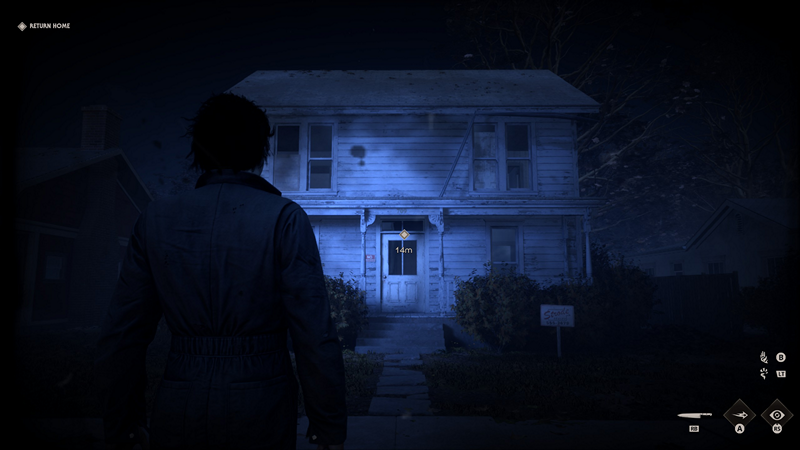
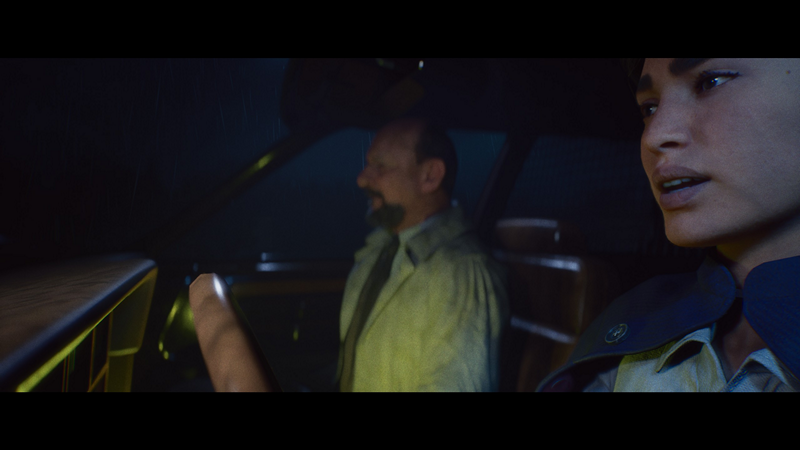
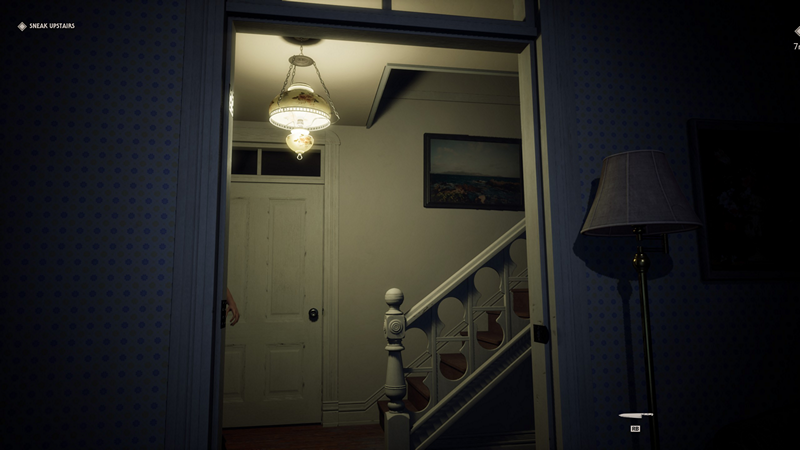
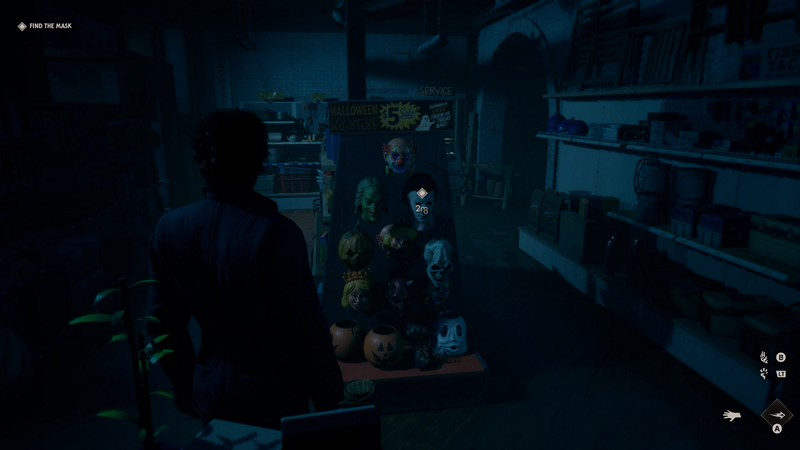
Similar to The Texas Chain Saw Massacre, Halloween: The Game is solely focused on one film’s aesthetics, events, and overall design, that being the original 1978 film. The game does a pretty great job of re-creating the locations, characters, and general ambiance in many ways. In most regards, it makes you feel like you truly are a character from Halloween, existing in moments you just didn’t see on camera during the runtime, whether it’s as Michael Myers himself or as one of the civilians trying to survive.
The look, sound, and just about everything in this package truly nails the late-1970s feel from top to bottom, while also having an interesting game loop as the foundation for what you’re seeing and hearing. The clothes, the music, the speech, the hobbies and pastimes, the technology, and many other elements of the presentation all play a huge part in what you experience here in a way that’s immersive and fun.
Even though the game is centered on the 1978 classic, there are several interesting costumes to choose from or unlock for Myers. These include ones from both Rob Zombie’s Halloween reboots, as well as the 2018 reboots, plus a few other fun ones related to the first film. However, they’re mostly locked behind some high-level requirements, though their inclusion is a nice touch for fans of the series.
On the side of aesthetics and fan service, the game nails everything horror fanatics could want, similar to the way the other games from these developers did. It feels good to be back in a space IllFonic has created that really succeeds at manifesting the look and feel of something so ingrained in our pop culture consciousness.
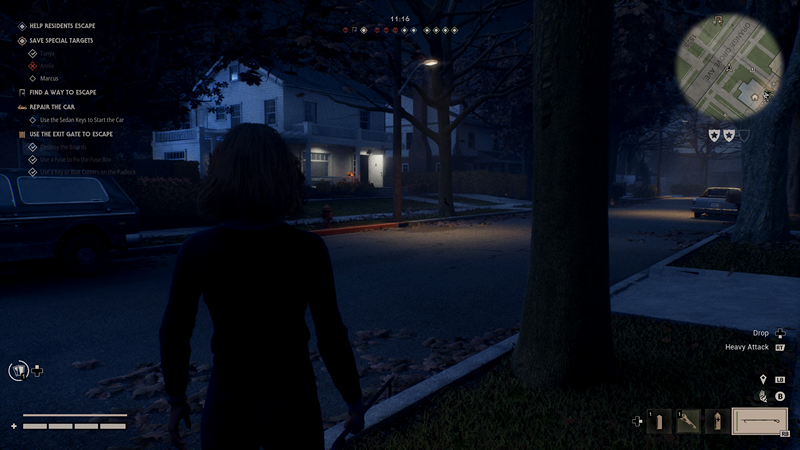
Getting past the presentation itself, we can talk about the gameplay, which takes the form of two different modes currently. The first is single-player, while the other is multiplayer mode. In the single-player, you control Michael Myers, starting at the time of his escape from the Smith’s Grove Sanitarium and going all the way through the events of the original film. This mode not only re-creates all the iconic scenes, with you controlling the action, it also cleverly fills in many of the story gaps you never got to see in the film. For that alone, it all feels exciting and endearing to play.
This mode also serves as a tutorial of how to play as Michael, showing you the ropes in being a psychopathic killer and preparing you to hop into multiplayer afterwards. While it does a good job of putting you in the shoes of Myers, there’s no tutorial for what to do as the civilian survivors, oddly. This leaves a bit of a gap and a steep learning curve when it comes to that side of the gameplay. This may be on purpose, perhaps to make you feel more hopeless, or taken by surprise in some way while playing as a civilian, but since there is a tutorial for Michael, it feels a bit missing.
Become the killer
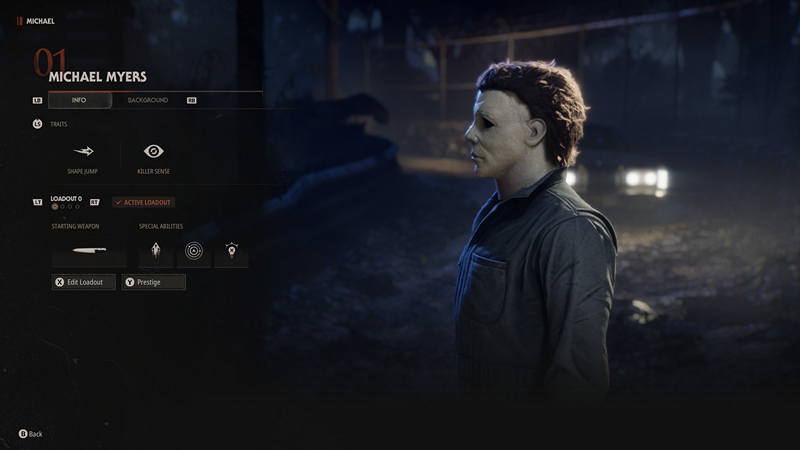
The way Myers controls is pretty similar to Jason from the Friday game in many ways, but with a bit more of a focus on stealth, which is a nice change of pace. Myers also has a huge leg-up over Jason in terms of mobility, since his invisibility/fast-movement has nearly unlimited use, and allows him to phase right through solid doors/windows, making it hard for civilians to keep out of reach for very long.
Using stalking abilities to drive up fear is a big part of being successful, and the fact that the game isn’t constantly throwing up music cues whenever you’re near a civilian player makes it a lot easier to maintain your shadowy presence.
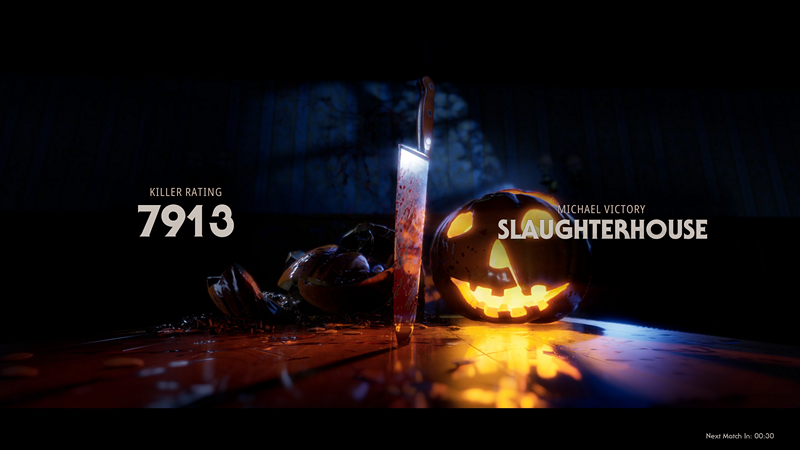
Multiplayer matches often seem pretty stacked in Myers’ favor, whereby a player can easily cheese their way to victory by killing police NPCs that will almost endlessly spawn if the civilians set it up that way. But, in a way, you could say this is just another learning curve that civilian players have to adjust to. Regardless, the balance typically feels a little bit off, especially if the civilians don’t have a fully coordinated team with strong communication.
Civilian duties
When it comes to playing as civilians, the most significant change compared to previous games is that, rather than just trying to find an escape route for the human players, your goal (and what scores you the most points) is rescuing NPCs that are scattered across the maps. This also comes with some changes in what happens after your character is killed during a match.
Instead of sitting idly on the sidelines and watching the chaos unfold, dead players can actively take part in several mini-games that flash on the screen. Success in these allows you to give stat boosts to all your teammates who are still working to save the town. Additionally, there are now several chances for players to respawn as both police officers or Dr. Loomis, and sometimes, three to four players can respawn in the same match, alongside several NPC police officers, as your team continues to alert the authorities.
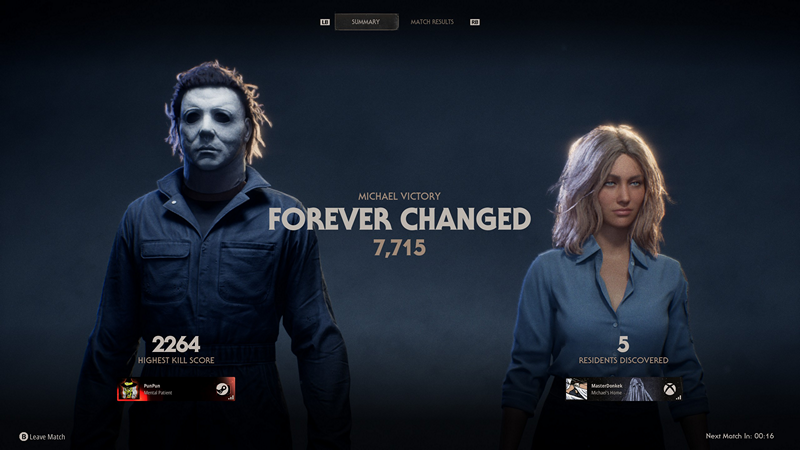
These changes go a long way to making Halloween much more cooperative and fun as civilians, and it generally compensates for having a much smaller player count than something like Friday, since only four civilians are on the team. There are also lots of characters to choose from, each with their own stats, and a perk card system which lets you assign stat boosts, helping customize to fit your play style. Characters range from some straight out of the first movie to a handful created especially for the game. Although there’s a wide variety to choose from, some do need to be unlocked by leveling up your XP.
One thing that can lead to a lack of variety is the fact that there’s currently only four maps to play on. This means some matches quickly become similar in some ways. Matches still feel different, since locations of things are randomized, but seeing the same locales over and over eventually starts to feel a little repetitive. Hopefully, IllFonic will add more locations soon, maybe even ones that can touch on other films in the series.
Glitches in the online mode unfortunately become abundant, similar to many games of this type when they first launch. But there’s been some decent progress on this from the developer, and we can assume it’ll continue to get better. In its current state, it can lead to a some occasional frustrating encounters.
The performance on most platforms also leaves a lot to be desired, with a lack of optimization on most versions leading to crashing and extremely high resource drain. Despite the heavy resource drain (especially on PC,) there’s still some lackluster visual annoyances that come up pretty frequently, on top of network bugs that cause disconnects every once in a while. These will surely be worked out in time, but being two weeks into launch and it still being in this state can feel a little disappointing.
Still a killer time
If you take a moment to step back and examine Halloween: The Game as a whole, you’ll notice that it bears a striking resemblance to Friday the 13th, and this is largely a positive aspect. While it manages to differentiate itself enough to feel fresh, I wouldn’t go so far as to say it fills the void left by Friday’s shutdown, nor does it have the same unique impact to compete directly, due to many other similar games now being available.
One positive note is that Halloween is reasonably priced, especially in a market that seems to be trending in a less favorable direction in terms of pricing. I would definitely recommend it for fans of the series, particularly those who appreciate John Carpenter’s original film.
However, it’s important to factor in a common caveat that applies to all multiplayer-focused games. If you have friends to play with, it’s an easy choice, especially with the included cross-play feature. On the other hand, if you plan to play solo with random players, it may not be worth the investment at this time, given its current state.
 (7.5 / 10)
Good
(7.5 / 10)