
 IDOLxISxDEAD
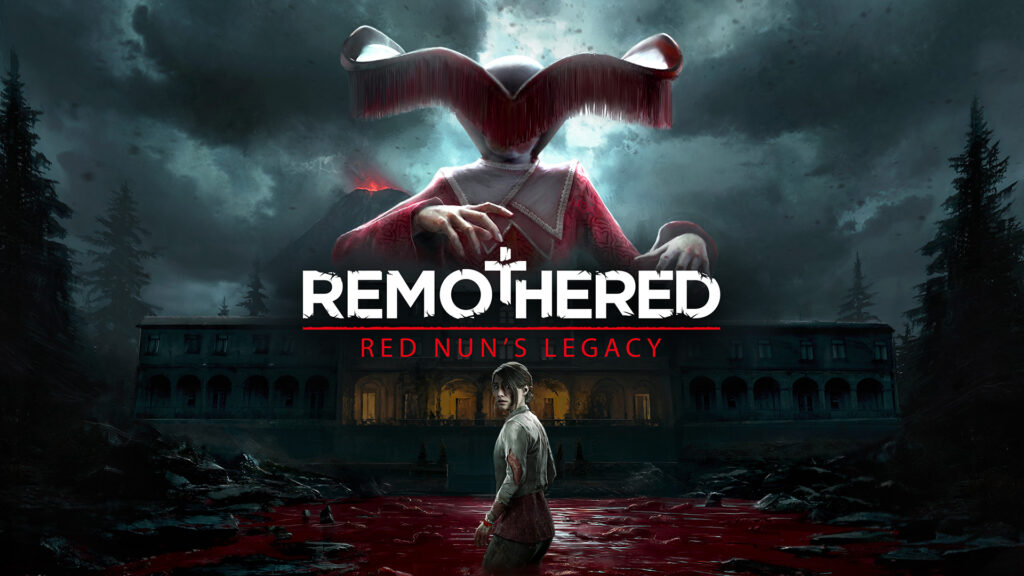
Red Nun’s Legacy is the third entry in the Remothered franchise. Back when the first game, Tormented Fathers, started moving toward its final form in 2016, it was eagerly awaited by horror fans. Specifically, people were excited for its modern take on the Clock Tower-style gameplay and classic cinematic style. When it released in 2018, the game was beloved by many old-school fans of the genre for a variety of reasons. Such examples include its panic-inducing stealth gameplay, its dark and twisted narrative, and its careful telling of the complexity of human emotions, cruelty, and experiences.
The story continued in 2020’s Broken Porcelain and though the game had a troubled development cycle, it was still well-received by fans and critics. After some controversy and legal issues following Broken Porcelain, which involved the original series creator, Chris Darril, severing his involvement with the series, the final piece of the Remothered saga is now in our hands. Nearly a decade after Tormented Fathers, we can see how it fits in and whether it recovers from the issues suffered by its predecessor.
Narrative
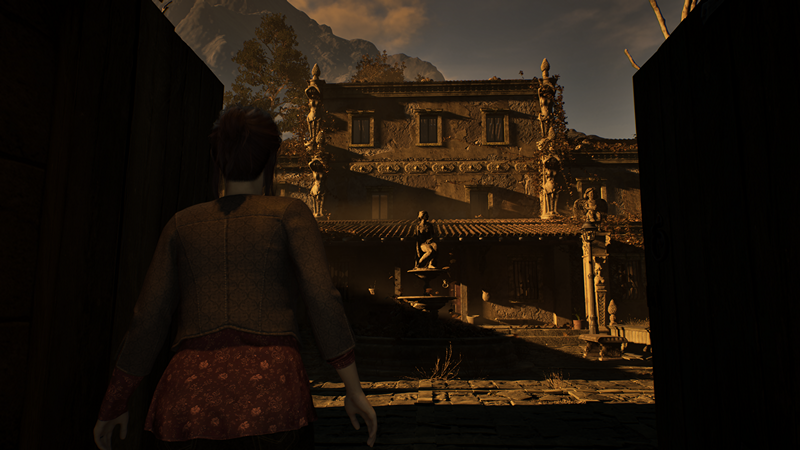
Red Nun’s Legacy takes place twenty years after the events of Tormented Fathers. It starts out being pretty mysterious, with a married couple looking for their missing child after arriving at the abandoned Ashmann Villa in the Sicilian countryside.
As events unfold, things quickly take a dark turn and it becomes clear how it’s all related to the greater Remothered narrative. It’s going to be hard to fully describe the story without spoilers, but let’s just say it ends up being a very satisfying conclusion to the series that sees further fleshing out of the stories and characters from previous games, even if they’re no longer alive.
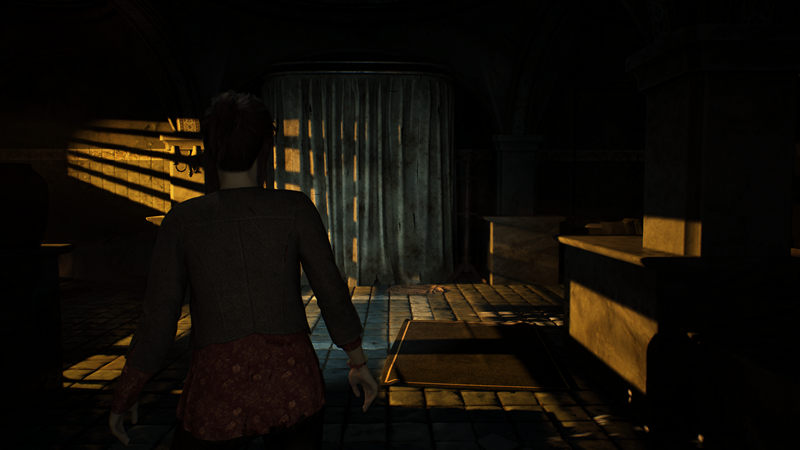
Much of the narrative is told through notes scattered around. However, there are also a few cutscenes pushing things forward, and it’s absolutely in-line with the previous games, featuring an extremely dark story with lots of twists and reveals. But unlike the earlier entries, the twisting nature of it feels more reasonable, having clearly been dialled back a small amount. This helps alleviate the overwhelmingly complex, and sometimes confusing, nature of how the previous games handled much of the lore.
Even though the game does have a trigger warning at the beginning relating to some very sensitive topics, it can’t be overstated just how dark and disturbing things get. The levels of sexual violence and child abuse are heavy, but also quite impactful. This only serves to demonstrate the depths that the psychopathic villains have fallen and just how many lives they’ve ruined along the way.
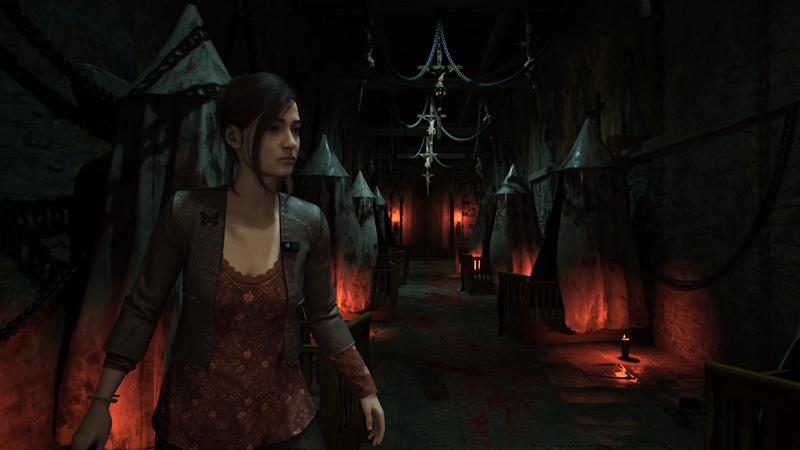
Even with such a dark story, it has some overarching themes of hope. It also has some meaningful takeaways about the human experience and dealing with trauma, never feeling truly hopeless or bleak because of the strength of its characters. The final section is one that really turns the tables on the whole series, coming full circle in a lot of ways. Most fans will no doubt revel in how it plays out.
Red Nun’s Legacy feels like a very fitting conclusion to the trilogy. It’s a tighter and less convoluted narrative than the previous two games in some ways, and it’s something fans won’t want to miss. It’s unclear whether a lot of the story details were worked out before Darril left the project, but I’m glad the team was able to finish things in a way that feels as satisfying as it does.
Art direction
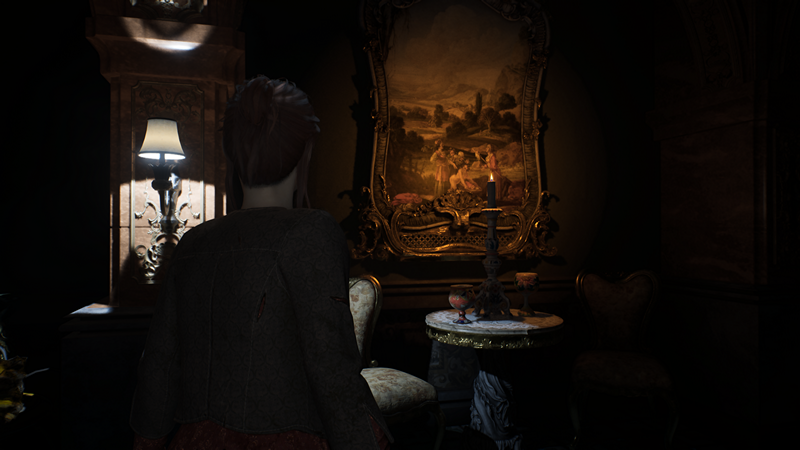
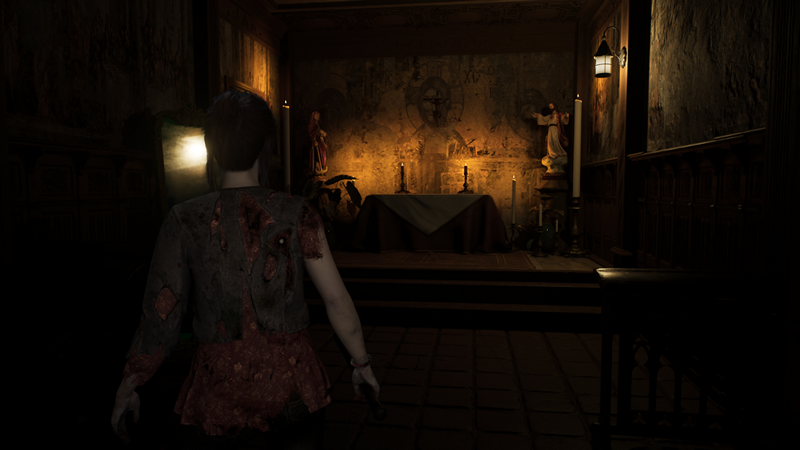
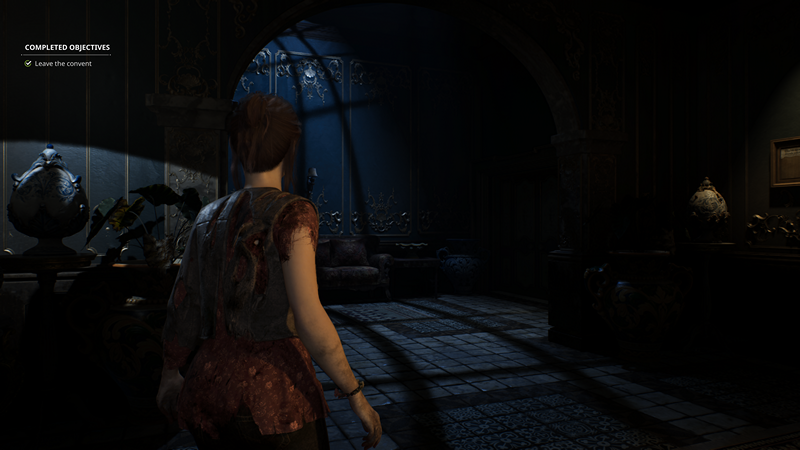
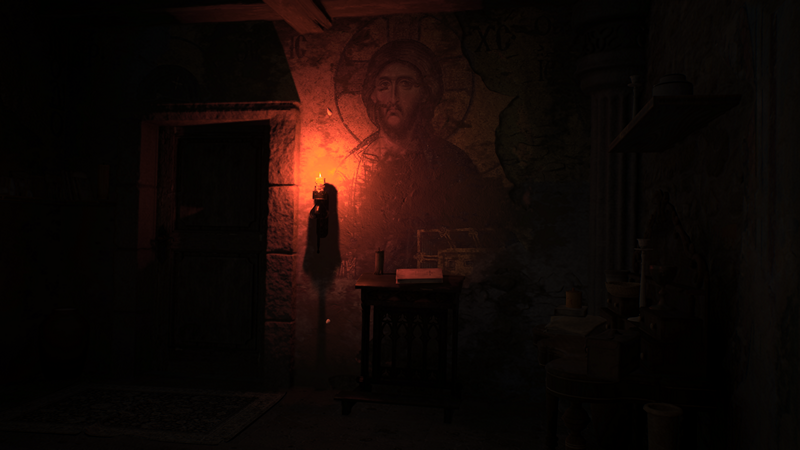
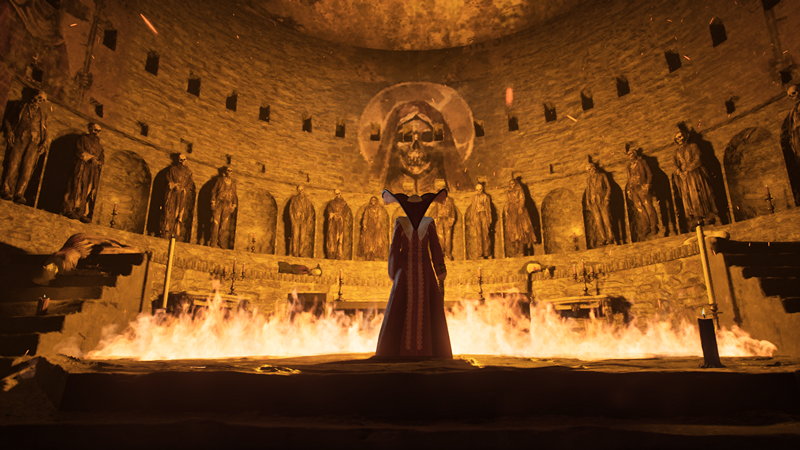
In nearly every way, the visuals in Red Nun’s Legacy are stunning, especially for a game of this budget. It boasts beautiful, yet creepy, environments, grotesque enemies, clever use of shadows, and a specific cinematic style that calls back to classic horror films. The amount of gorgeously replicated classical art that fills the halls of the Ashmann Villa is a sight to behold. It only adds to the gothic, European feel of the aesthetic.
There’s also a great new aspect in the visuals, which is a number of esoteric and provocative live-action cutscenes (or some that replicate live-action very well). These randomly appear throughout the game, adding an unsettling edge. While Remothered is already pretty cinematic, these fit right in with the rest of the presentation and are a worthwhile addition.
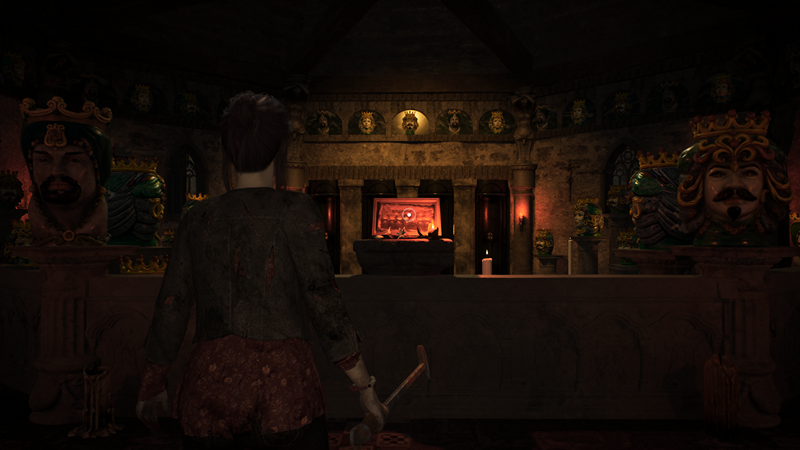
One of the only things that sticks out as negative in terms of visuals is the character animations (including lip syncing). They feel pretty wooden and unnatural, similar to the previous games. The general look of the main character isn’t terribly well-detailed or interesting, either. This is only really an issue because you’ll be looking at her throughout the whole playtime.
Though it makes sense that she’s supposed to just be a “normal mother,” the lack of detail on the model and textures does take away the immersion in certain scenes. As such, these elements fail to match the visual fidelity of the rest of the game.
On the audio side of things, the voice acting is solid across the board. The music is also pretty on-par with previous entries, and the environmental sound design used for stealth is very well done; it keeps you on the edge of your seat with its oppressive soundscape.
Regardless of some of the shortcomings, the audio and visual presentation is still strong, allowing for plenty of immersion. Not everything is up to modern high budget gaming standards, though, but this may be improved some time down the line.
Gameplay
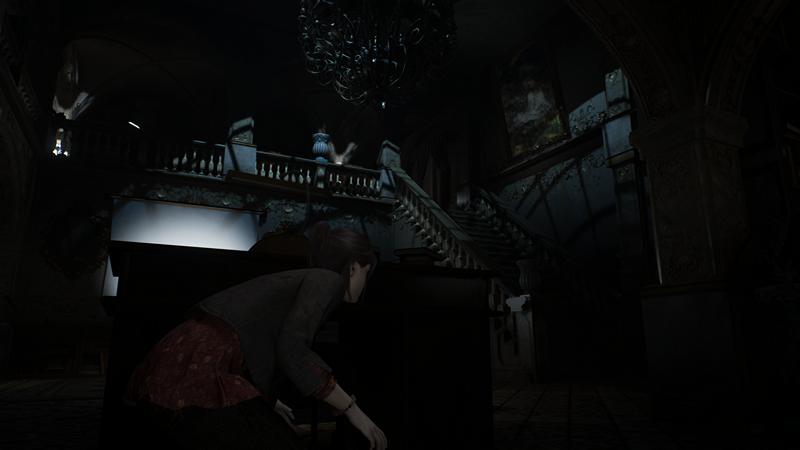
In many ways, Red Nun’s Legacy is very similar to the previous games. It features the signature cat-and-mouse stealth mechanics, where you can also distract or lure enemies to your advantage. It all plays out just as tense, if not more so than its predecessors. The terrifying enemies continue to taunt you as you make your way through, and you’ll never know where they’ll show up. This makes every step you take feel like it could trigger a chase.
Since there’s no stealth takedowns (unlike in previous games), you’ll often feel more helpless than before. The only thing you’ll be able to do is distract or disable them for a couple of seconds. As such, escaping your pursuers is just as scary as it ever was. Also, once they lock onto you, they can be quite hard to get rid of, especially as you get further into the game.
All the stealth elements come together to create some of the most stressful moments across the series. Despite it not being terribly difficult to survive, you do need to keep your wits about you and think on your feet a lot of the time.
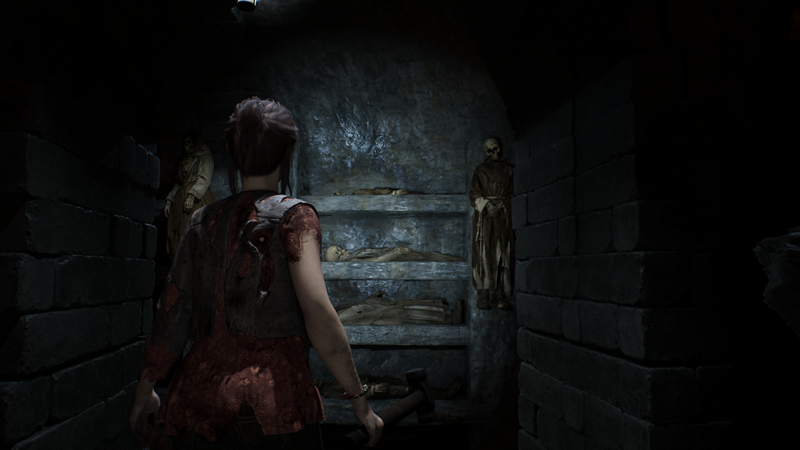
You’ll also need to break the chase of the pursuers to be able to complete the puzzles. Most of these are fairly simple, but not as dumbed-down as something like the recent Resident Evil games. Finding where you need to go becomes a bit of a puzzle as well, due to the old-school map system that doesn’t show where you are. This forces you to triangulate your location on your own, which can be difficult in some of the later sections.
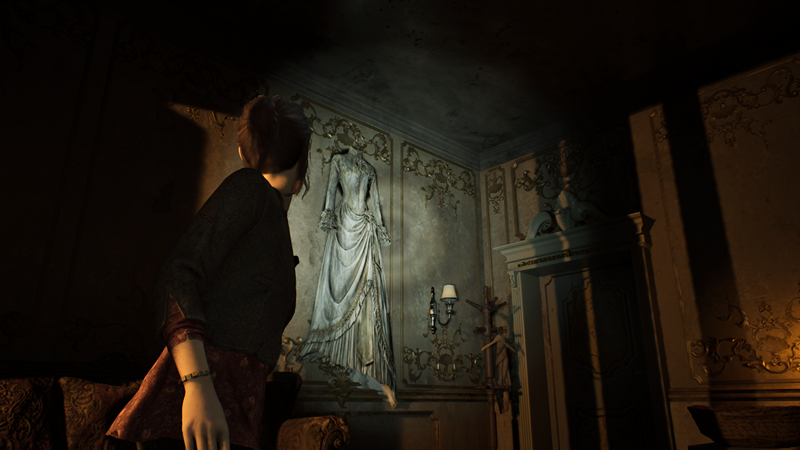
There’s also no clunky crafting system like in Broken Porcelain. This streamlines the gameplay significantly, feeling closer to Tormented Fathers, and it’s only a good thing. Since key items don’t take up inventory and there’s no crafting, it keeps things moving at a more brisk pace. This is despite the fact that you’ll still be revisiting certain areas and your inventory is still technically limited.
The Ashmann Villa feels just slightly smaller in scale than the locations from the previous games. At least at first. However, as you progress, you’ll find it becomes much bigger than what you see on the surface, and it feels very similar to the large manor settings from the other games. Red Nun’s Legacy also hops into flashback sequences from time to time. These moments feature another iconic location from the series, so it’s not quite as simple as just exploring the Villa.
The controls feel mostly good and responsive, even if the occasionally lacklustre animations can make it play a little weird. Having said that, I rarely ever felt like it was inhibiting me. Only once or twice did the prompt to enter a hiding spot not appear or react the way I wanted it to, so it was a rare occurrence.
Conclusions
We got to play the Xbox Series and PS5 versions. Both ran quite well on performance mode, with only very slight differences between them. One of the only real issues I came across was some occasional texture pop-in, but this might be fixed later on.
The length fits exactly in-line with the other games; somewhere around the six to eight hour mark, depending on how long some of the stealth encounters take you. This feels like a perfect length. It doesn’t overstay its welcome and keeps its pace going strong throughout. This is great for an indie game with so much story to tell. It all flows well and feels satisfying. There isn’t much as far as traditional replay value, if that’s something you find important, but this will be subjective with such a narrative-focused game.
At such a reasonable price, this is a great game for fans of classic stealth-driven survival horror. The heavy influence from classic films of the 70s and 80s still shines through, despite it being a much more modern setting.
Red Nun’s Legacy feels like the follow-up to Tormented Fathers that I’ve been waiting for since 2018. It’s also one of the more satisfying games in the genre from the last few years, reminding me of why I love this style of horror so much. I’d recommend it to anyone who enjoys classic survival horror with stealth elements. Honestly, I’m glad we’re still getting games of this calibre in 2026.
 (9 / 10)
Amazing
(9 / 10)Rely on Horror Review Score Guide
(Review codes for Xbox Series X|S and PlayStation 5 were provided by the publisher.)