

 x.com/abiyaannnn
Ever since I first heard about Silver Pines last year, I was genuinely excited to try the game. The developers described it as a “love letter” to classic survival horror games and shared that it was inspired by titles like Resident Evil and Silent Hill, which only made me more eager to play it.
What surprised me, however, was that Silver Pines turned out to be even better than I had expected. Although I played the game for around five hours, I was hooked throughout my playtime, solving puzzles, checking every door, looking for clues, and wondering what had happened to Eddie Velvet. The game kept me invested throughout, and its mysteries stayed with me even when I wasn’t actively playing.
Silver Pines makes exploration its greatest strength
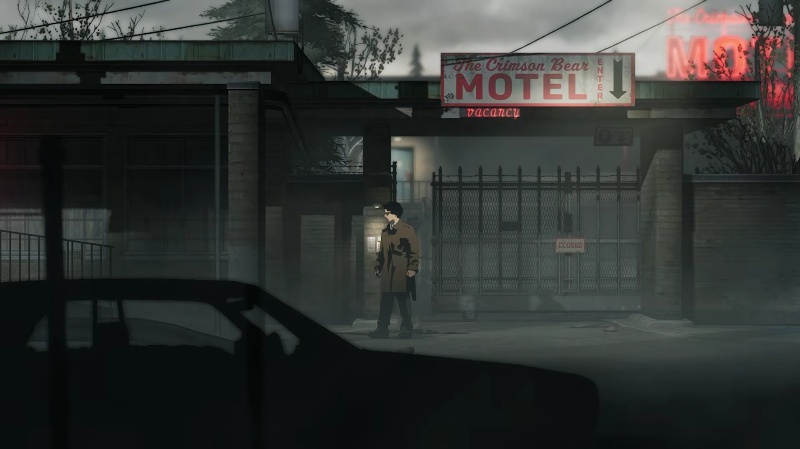
Silver Pines welcomes players to a town of the same name, one that draws inspiration from Twin Peaks. The town feels unsettling, and we are sent to investigate the disappearance of a musician named Eddie Velvet, who was last located there. You play as Red Walker, a private investigator tasked with discovering what happened to him.
Honestly, I love playing survival and exploration games, but there’s almost always a point when the experience starts to feel repetitive. You might find yourself following the same patterns, revisiting familiar rooms, or figuring out where things are headed long before the game intends you to. This is one of the things Silver Pines gets right.
You will often feel lost in the town because of how many places there are to explore and how many rooms contain clues waiting to be discovered. There are barely any areas that feel completely pointless. You might come across four different paths, only to discover that they connect to one another in some way, with resources and clues that help you progress further.
I found exploration to be one of the game’s greatest strengths because of how fresh it felt throughout my playtime. Rather than simply moving from one objective to another, I felt like a real investigator searching for clues and gradually digging deeper into an unsettling town.
The camera is a clever addition to exploration
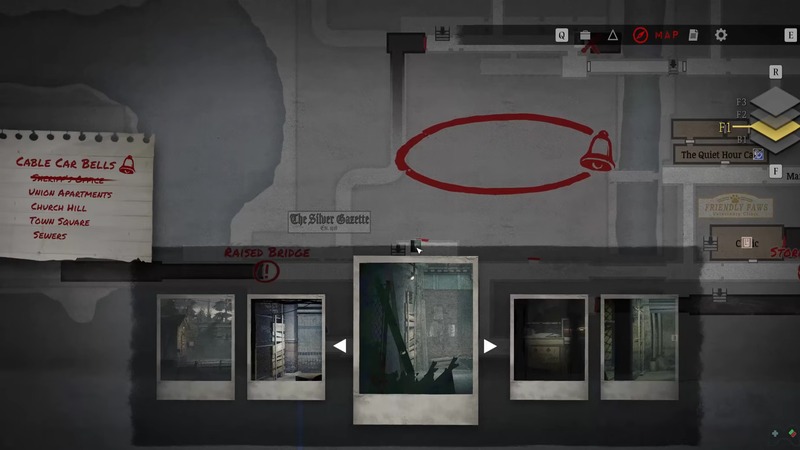
There are many things that make exploration in Silver Pines so much fun, including the resources we collect along the way. Herbs help restore our health, the flashlight lets us see better in dark areas, and we can find different weapons to defend ourselves. We can also purchase items like donuts to restore health, ammunition, and batteries for our flashlight from vending machines scattered throughout the town.
However, the best addition is the camera system, which makes it much easier to keep track of the places you’ve visited. With so much to explore, it’s easy to get lost in the town, but the game gives you a camera to take pictures and remember important locations.
There will be multiple times when you come across a room that requires a key or perhaps a crowbar to explore further. You can simply take a picture of the location to remember where to return once you have the necessary items. This helps you save a lot of time and makes exploration even more enjoyable.
I made sure to take pictures of everything I found even slightly strange. If I spotted a random number on a wall, I’d instantly take a picture of it. Anything that seemed unusual was worth a snap, just like a real detective would do. It genuinely felt like a great addition to the game.
Combat works, but repetition holds it back

Let’s talk about the part where Silver Pines slightly disappoints, which is its combat. Although the game starts well with an encounter against a shadowy creature that initially felt almost unkillable, I eventually managed to take it down with the cutter we had. Still, the encounter felt a bit annoying because it took so long to kill the creature.
Combat gets relatively easier as you encounter more of these creatures, but there’s not much variety to keep things interesting. They tend to attack in the same way, making encounters feel repetitive after a while. Once you understand their attack patterns, they become fairly easy to deal with. However, they can still deal enough damage to leave you critically wounded, slowing your character down more than you’d expect.
It’s not just the regular enemies, either. The boss fights can also feel lengthy and repetitive. They take a long time to defeat and can eat up your healing resources before you finally manage to take them down. This was my least favorite part of the game, as I was expecting a little more action or at least more interesting boss fights. Instead, the combat mostly felt like it was just getting the job done.
More focused on survival than horror

If I were to recommend Silver Pines, I’d suggest it to players who love survival and exploration. The game handles both exceptionally well, but if you’re someone who prefers horror games that make you feel vulnerable and constantly on edge, this might not be the right choice for you.
I had a great time with Silver Pines because I love games that encourage you to explore, look for the smallest details, and think your way through puzzles. These are the things that kept me invested throughout my playtime. However, there wasn’t a single moment when I genuinely felt scared, because the game doesn’t really focus on delivering that kind of horror experience.
It has an unsettling atmosphere, but that alone isn’t enough to make it truly scary. I also think the game could have been even more immersive with a first- or third-person perspective. Nevertheless, it does a great job as a 2D Metroidvania, particularly with how it encourages exploration and rewards curiosity.
Despite its repetitive combat and lack of genuinely frightening moments, Silver Pines kept me invested through its rewarding exploration, interconnected environments, and satisfying puzzles. If you’re looking for a game that rewards curiosity more than it tests your nerves, this is one worth checking out.
 (8 / 10)
Great
(8 / 10)Rely on Horror Review Score Guide
A review code was provided by the publisher for PC.