
Horror game fans are currently experiencing a new golden age. Following Capcom’s successful back-to-basics approach with the revival of the Resident Evil series—refreshing the brand through both remakes and new entries—Konami is wisely following suit with its own flagship horror franchise. This revitalization is largely thanks to series producer Motoi Okamoto, who joined Konami in 2019 to help reboot and oversee the modern revival of Silent Hill.
Following the critical and commercial successes of the Silent Hill 2 remake and Silent Hill f, the series has never been more popular or profitable, with both games selling a combined total of 8 million units. At this point, it’s Konami’s game to lose. The big question now is whether their latest release, Silent Hill: Townfall, will continue this upward trend for the franchise. The short answer is yes. This new game stays true to the series’ roots and succeeds as both a quality horror title and a worthy addition to the franchise.
 Story
Story
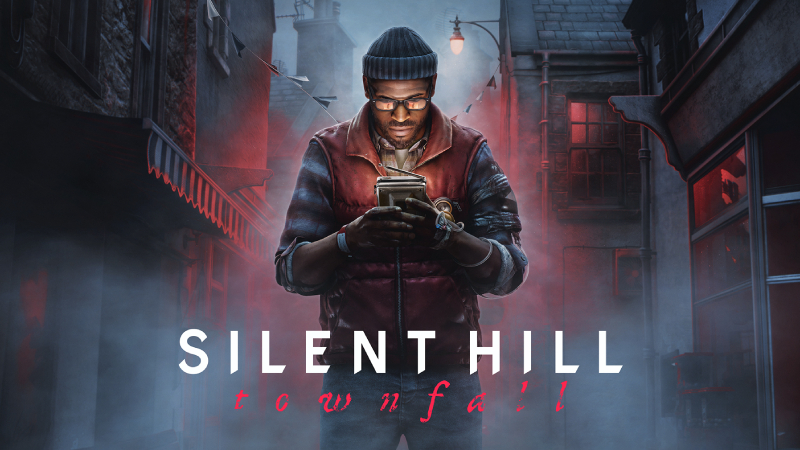
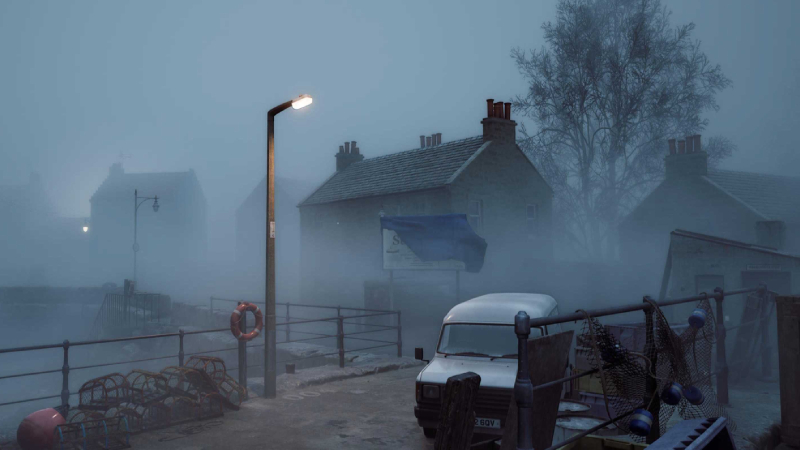
Silent Hill: Townfall opens with protagonist Simon Ordell crawling out of the ocean and onto the empty docks of the fogbound Scottish island of St. Amelia. As he gets up, he’s shocked to find an IV hooked up to him; when he tries to remove it, he’s hit with a sudden and intense wave of searing pain.
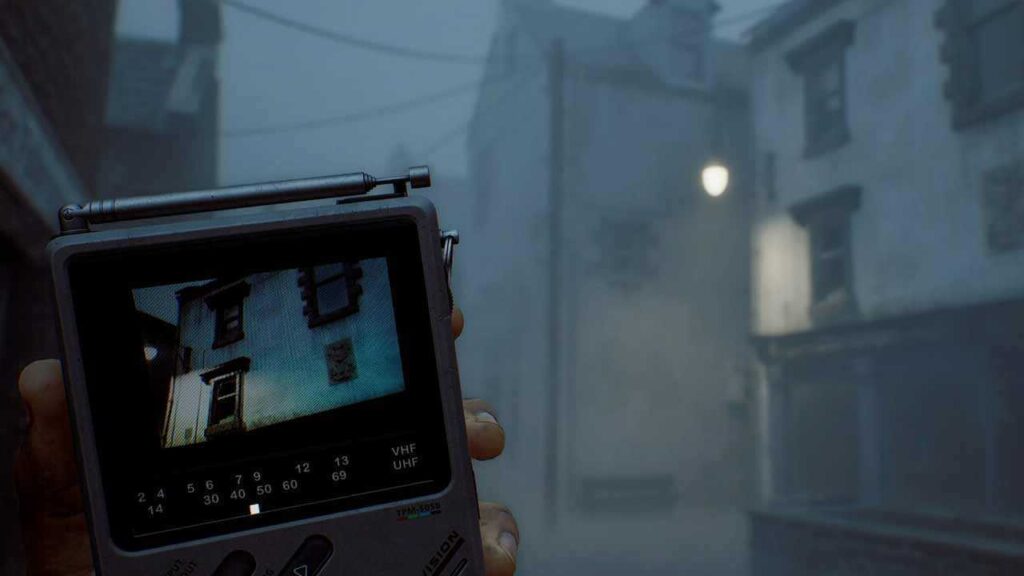
When Simon arrives in town, he quickly sees signs of a terrible disaster. The town square is filled with protest signs, photos of lost loved ones, and calls for justice. Not long after, he goes to a nearby hotel and finds a handheld CRTV. A woman’s voice from the TV tells him he has “some very important work to do.” This message sets Simon on a path to uncover what happened to him and to St. Amelia. Along the way, he meets Zoe, a nurse, and Richard, both of whom are closely tied to Simon, the town, and the disaster. The story centers on the mystery of the disaster and Simon’s role in it.
Without getting into spoilers, Townfall offers a timely, well-paced, sophisticated narrative that explores several compelling themes, such as guilt, corporate greed, and accountability. As the intricate, methodical storyline unfolds, Simon must confront the horrors lurking within his own psyche while also reconciling the consequences of his actions and the part he played in the disaster.
 Gameplay & Mechanics
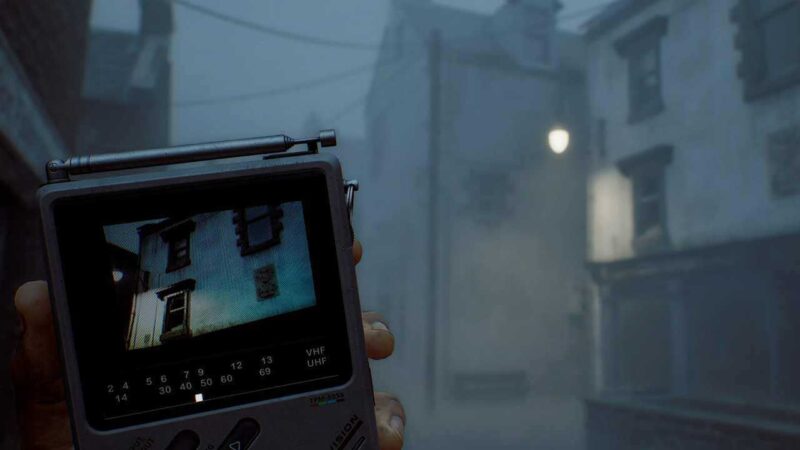
The most significant change in Townfall is how you experience the game. Instead of the series’ standard third-person view, developer Screen Burn Interactive has opted for a first-person view, similar to Silent Hill 4 and the PS5-exclusive game The Short Message. This shift in perspective effectively immerses you in Simon’s experience. There is also a much greater emphasis on stealth compared to earlier games in the series. Enemies are more dangerous and aggressive, encouraging players to avoid confrontations and hide whenever possible. This strategy helps conserve weapons and resources, such as health items, for when they are truly needed.
The CRTV Simon finds early in the game is used similarly to how the motion tracker in Alien: Isolation and the analog C.A.T. tool in Routine are used, as is the phone-saving mechanic. Using the CRTV, players can detect enemies by tuning to specific frequencies and pinpointing their location through solid objects like walls. This capability is crucial for navigating the game and developing strategies to avoid enemy encounters. Additionally, players can save their progress using payphones and analog landline phones scattered throughout town. You can also contact other numbers you find that provide further details about the town and its residents. Both mechanics reinforce the game’s emphasis on organic, real-world gameplay aesthetics.
 Combat & Puzzles
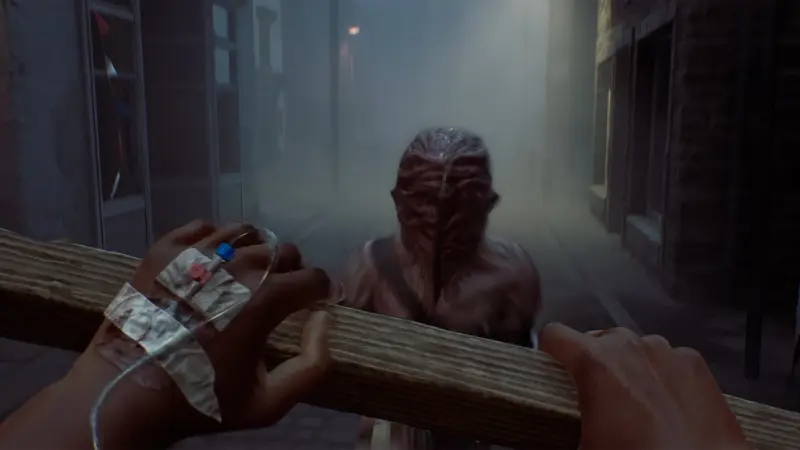
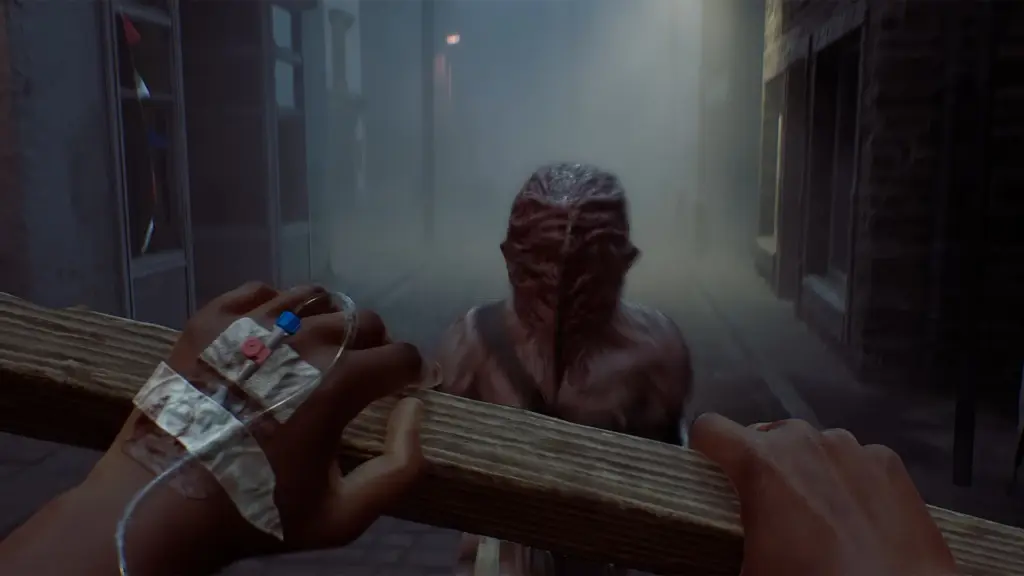
Enemy encounters in the game are both spooky and intense. While there isn’t much variety in the enemy types, the ones that do appear pack a punch. There were many times when I found myself vocalizing my fear during these encounters, crying out in surprise or shock. The enemies generally have excellent hearing and can detect sounds like weapon usage, footsteps (if you’re too close), closing doors, and the slamming of shutters when hiding. As a result, there is a strong emphasis on stealth and avoiding confrontation. A significant portion of the game can be spent in stealth sections, especially when you’re waiting inside a locker or trying to remain hidden until an enemy leaves.
Throughout the game, Simon finds various melee and ranged weapons. Melee weapons are useful for close encounters and can block enemy attacks, but they tend to break after extended use. It’s risky to use guns, since they can attract enemies, plus ammo is limited. The controls are responsive, but you must time your attacks carefully, as enemies have a long reach once they spot you.
Exploration and environmental storytelling play a major part in Townfall. The puzzles in the game are thoughtfully designed and closely related to real-world scenarios, requiring players to pay attention to their surroundings and gather clues from documents and the environment. While there are multiple combination locks to solve, discovering the solutions often involves more than just finding a note with the code. Most clues are enriched with lore and context, which the game presents through emails, posters, office memos, and photographs, among other materials.
Even though I played the game on the default difficulty settings during my first playthrough (Combat Difficulty: Normal / Puzzle Difficulty: Hints Enabled), it was still quite challenging and often felt like I was playing on Hard. Because it was easy to die, I approached the game very conservatively, saving frequently whenever I could. I often saved after defeating just a few enemies to conserve health and resources. This experience truly made the game feel like survival horror.
 Graphics & Sound
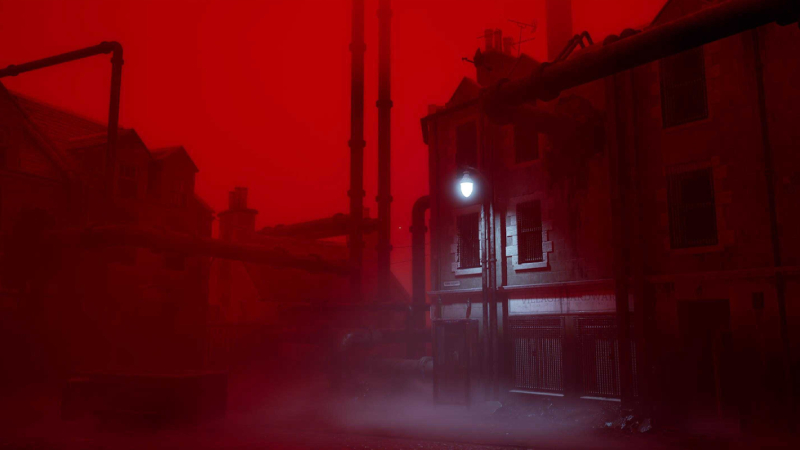
Silent Hill: Townfall is technically impressive, showcasing high fidelity in its presentation, art direction, and sound design. The coastal town of St. Amelia features a variety of appealing architectural styles, both inside and outside buildings. The construction areas and their accompanying equipment highlight a brutalist concrete aesthetic, while the glowing red, pipe-filled otherworld offers a fresh perspective on a familiar theme in the series. Overall, while the character models and environments may not be as detailed and nuanced as those seen in SH2R and SHf, they still look great and create a distinctive visual style that sets Townfall apart from other entries in the franchise.
The soundtrack by Pilotpriest (Anthony Scott Burns) is appropriately moody and evocative. It effectively sets a somber, lonely atmosphere during the game’s quieter moments and intensifies the tension during more aggressive scenes. Stealth sections, where you must quietly navigate around slimy, moaning humanoid monstrosities, are accompanied by an oppressive and relentless score. Although no one can replace Akira Yamaoka, I honestly didn’t miss him this time, as the music was so effective. This is yet another creative way that Townfall distinguishes itself.
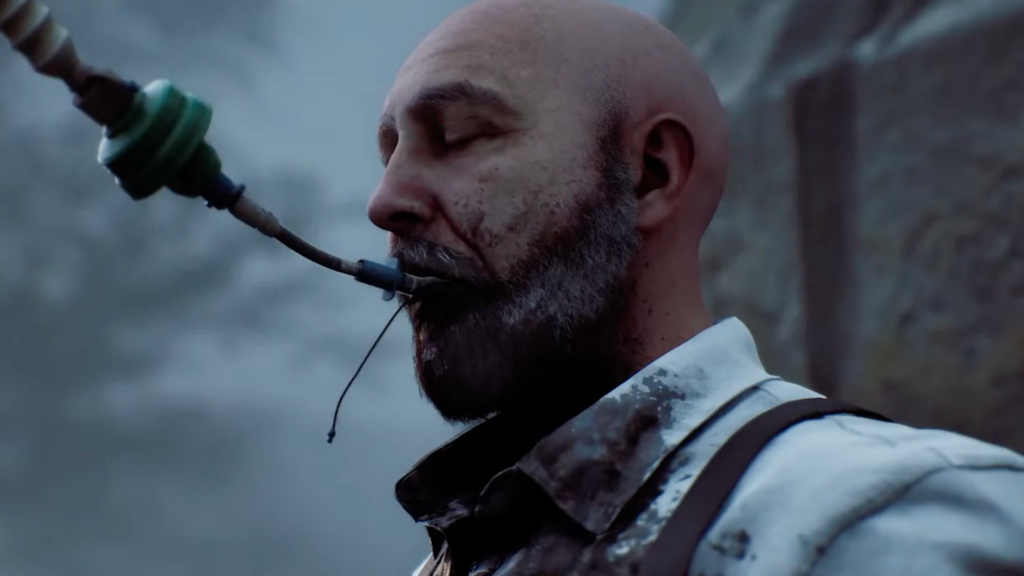
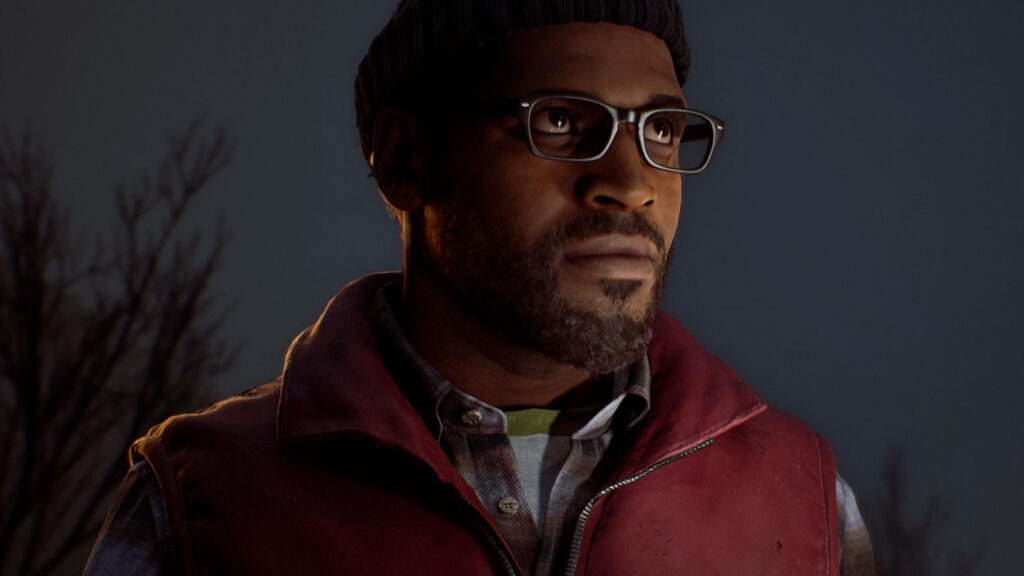
The game’s voice acting is also outstanding, with Terry O’Quinn particularly shining in his role as Richard. Jovan Adepo as Simon and Kezia Burrows as Zoe both deliver grounded, human performances that contribute to the game’s overall quality.
 Technical Performance & Cons

My playtime was mostly uneventful; however, the game randomly crashed several times, and I’m not sure why. I initially played it offline for my review, so the developers may still be patching some of the launch issues. Load times were very fast, and the frame rate remained mostly steady throughout my standard PS5 playthrough.
Some of the motion control segments didn’t work as well as I would have liked, particularly the advanced CRTV tuning required later in the game. These sections can be imprecise and frustrating at times. It wasn’t until near the end of the game that I finally started to get the hang of it. While the game is somewhat linear, it does encourage multiple playthroughs to unlock all the different endings.
 Final Thoughts
Silent Hill: Townfall offers a unique and intriguing story that made a big impact on me, even if it’s still probably my third favorite of the three most recent games. Its timely, mature narrative and compelling themes truly resonated with me, setting it apart from its predecessors. The game features challenging puzzles, intense combat, and a developer that genuinely respects its players, culminating in a smart and satisfying experience. My total playtime was 22.5 hours, which is a significant amount of time, particularly for a single-player game.
While your experience may vary based on your expectations and your starting point in the franchise, Townfall is a quality addition that successfully maintains the vibe and atmosphere of the classic games while putting its own stamp on the series. Konami continues to broaden the scope and appeal of its flagship horror series while retaining the elements that originally made it so powerful. As a result, it has never been a better time to be a fan of survival horror.
 (8 / 10)
Great
(8 / 10)Rely on Horror Review Score Guide
A PS5 review code was provided by the publisher.