
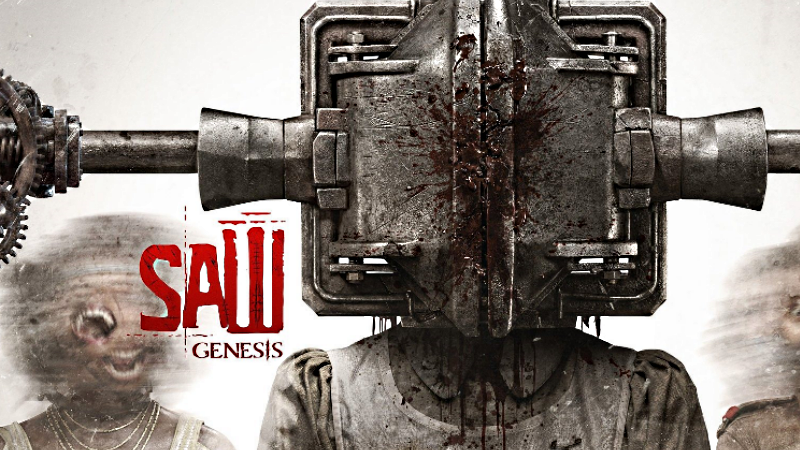
SAW: Genesis turns the iconic horror franchise into a 3v1 asymmetrical multiplayer. The game is built around cooperation, deadly trials, and painful sacrifices. Broken Mirror Games and Anshar Studios are at the helm, with Bloober Team as publishers. The story takes place around a century before the events of the movies, in the grim aftermath of World War I.
Instead of John Kramer, one player takes control of the Judge, an early architect of Jigsaw’s philosophy. The other three are the Accused. These players must work together to escape a deadly trial filled with traps, puzzles, and difficult choices.
At Gamescom 2026, we had the opportunity to play two matches ourselves. This gave us a first look at SAW‘s take on an asymmetrical multiplayer experience.
Three Accused, One Judge

The basic concept behind SAW: Genesis is straightforward: three Accused attempt to escape, while the Judge does everything possible to interfere with their plans.
Actually escaping is considerably more complicated. A match is divided into several stages, with players exploring the environment, searching for important objects, and completing challenges before time runs out.
During the first stage, we had to locate three items scattered throughout the map. We then brought them to a specific location to unlock the next area. The following stages continue the trial and eventually open the path towards the final escape. But time is constantly working against you.
To keep the trial going, players have to make sacrifices. These can involve giving blood, deliberately enduring pain, or facing other unpleasant challenges inspired by the franchise. Completing them rewards the team with additional time, turning the clock itself into one of the biggest threats.
No Two Trials Are the Same
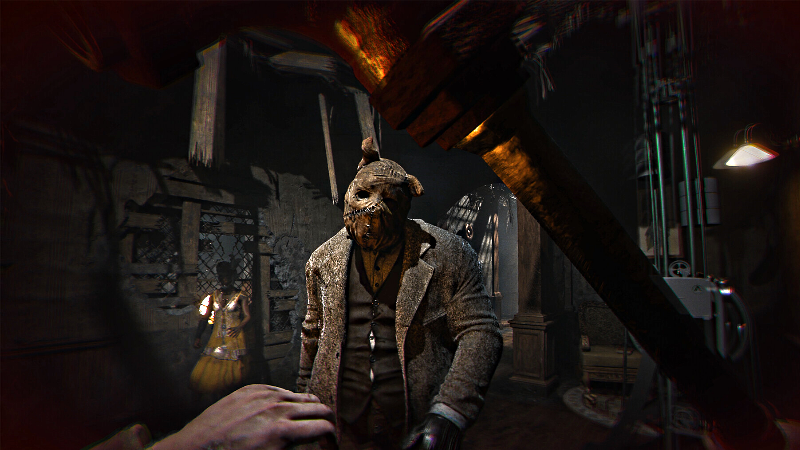
One of the most interesting aspects is its approach to level design.
Matches take place on procedurally generated maps, meaning rooms, routes, items, and challenges can change between games. This was immediately noticeable during our hands-on playthrough. Locations that contained useful objects in one match could look completely different in the next, forcing us to explore the environment again rather than simply memorising the fastest route.
It’s clear that the studios want this unpredictability to become an important part of the experience. Understanding individual mechanics will certainly help, but players shouldn’t be able to learn one optimal path and repeat it every match. Challenges can vary as well, making each new trial less predictable.
We played on The Orphanage. As development continues, the team intends to add more locations and additional content, while community feedback will help shape Genesis throughout Early Access.
Combined with procedural generation, this could provide some much-needed longevity; particularly important for an asymmetrical multiplayer game where unpredictability is essential to keeping both sides interesting.
The Judge Isn’t Your Typical Killer
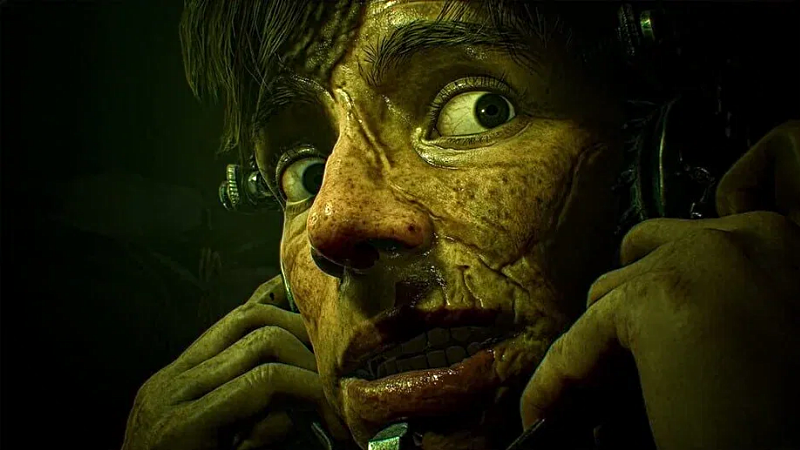
Playing as the Judge isn’t simply about chasing the Accused around the map. Instead, the role is designed around controlling the trial. The Judge can observe other players, use traps and special tools, move through hidden corridors, and interfere with their attempts to complete objectives. Direct confrontation is possible as well, but unlike the killers found in many other asymmetrical horror games, the Judge isn’t an unstoppable force.
The Accused can fight back using saws, pipes, and other improvised weapons found throughout the environment. This means there’s a chance to temporarily turn the tables against the Judge.
However, the Judge has another disturbing tool at their disposal: the Accomplice. This helper can be summoned and directed towards the Accused to put additional pressure on them. The Accomplice can overpower players and drag them towards one of the Judge’s Rehabilitation Traps.
If that happens, teammates face another decision. They can attempt to rescue their teammate, or the victim can make a considerably more painful choice and sacrifice part of their own body to escape. Those decisions have consequences. Injuring an arm can make fighting and completing puzzles more difficult, while damaging a leg can reduce movement speed for the remainder of the match.
Teamwork, therefore, becomes essential. Players need to search different areas, share the locations of important items and traps, and decide who should tackle certain challenges. Splitting up can help complete objectives before time runs out, but it also leaves individual players considerably more vulnerable.
This is where one planned feature could make matches particularly interesting. According to the developers we spoke to, SAW: Genesis may be featuring proximity voice communication in-game. Nearby teammates will be able to hear each other, but so will the Judge. That creates an interesting risk-reward dynamic. Voice is crucial when coordinating three players under constant time pressure, but talking at the wrong moment could reveal valuable information to the person actively trying to sabotage your escape.
A Different Kind of Asymmetrical Horror
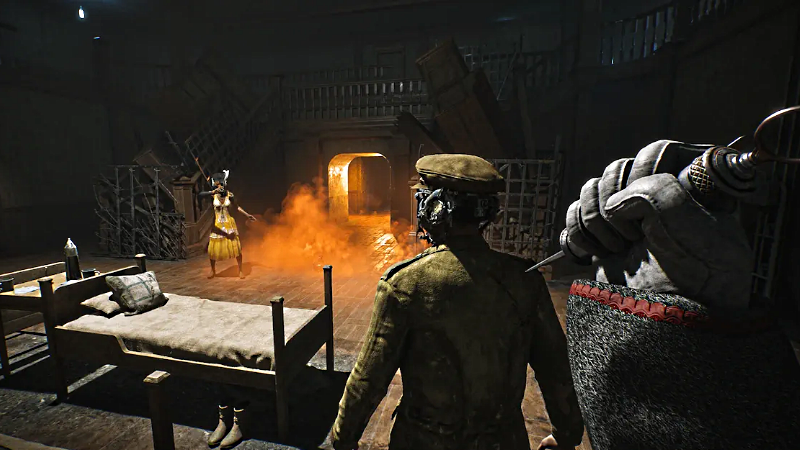
Based on what we played, SAW: Genesis has an interesting concept at its core.
The well-known 3v1 structure may immediately invite comparisons with other asymmetrical games, such as Dead by Daylight, but the focus on puzzles, sacrifices, and constant time pressure gives Genesis an identity of its own.
The Judge isn’t simply trying to eliminate everyone as quickly as possible. Likewise, the Accused aren’t helpless survivors running from an invincible monster. Both sides can directly interfere with each other, and the trial itself remains at the heart of the experience.
The procedurally generated environments also show promise. Even across just two matches, routes, rooms, and item locations changed noticeably enough to make exploration feel unpredictable, rather than simply repeating the same objectives along a familiar path.
There’s still plenty that will depend on balancing, progression, and how much variety Broken Mirror/Anshar Studios can offer in the long run. But the foundation already creates the kind of frantic cooperation, pressure, and difficult decisions that feel perfectly suited to the SAW brand.
SAW: Genesis currently has no confirmed release date, with the developers unable to provide a specific release window when we asked. The game is planned to launch in Early Access on PC via Steam, with additional content and improvements set to follow.