
Introduction
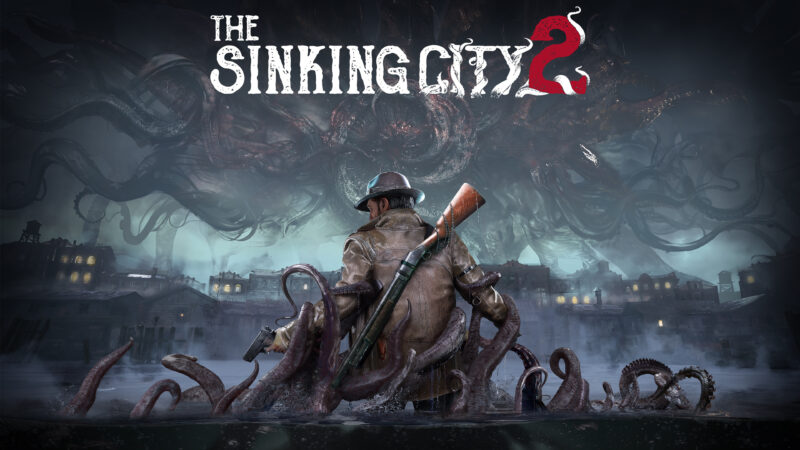
I started, but never finished the original The Sinking City when it released back in 2019, despite hearing about its detective-heavy structure and Lovecraftian inspirations for a while. Still, anything drawing from the cosmic horror of H.P. Lovecraft immediately catches my attention, especially in a gaming landscape (filled with survival horror titans) where an oppressive atmosphere can be difficult to pull off. So, when I had the chance to go hands-on with a press-preview build of The Sinking City 2, what surprised me most wasn’t just the setting or the monsters lurking within it, but the realization that Frogwares may be making a potential shift the Sinking City games needed all along.
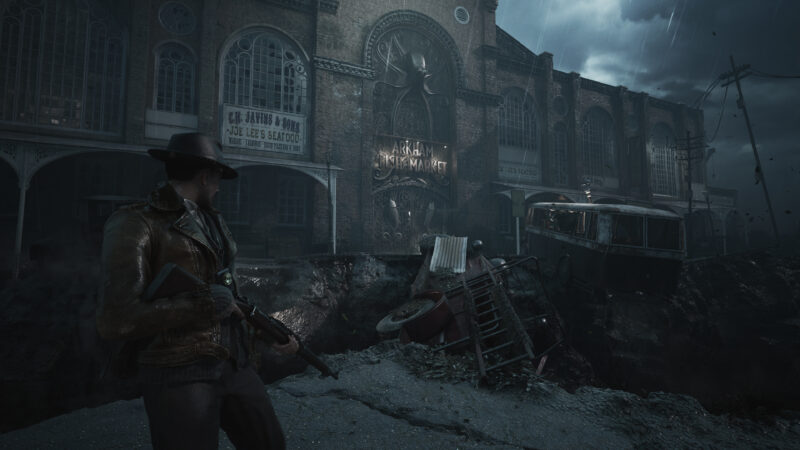
Set within a drowned and decaying Arkham, the sequel abandons much of the detective-forward identity that defined its predecessor in favor of a far more survival horror-oriented structure. From the opening moments inside the Annex of Miskatonic University, the tone feels less like a methodical investigation game and more like a descent into something diseased and hostile.
Atmosphere
Floodwaters have overtaken the city to the point that navigation itself becomes part of the experience, with players using a boat to move between isolated sections of Arkham and docking at piers to explore on foot. Even in an unfinished preview form, the city gives off the impression of something semi-open and continuously expanding, a kind of world where locked paths hint at the player’s future returns once the right tools are obtained.
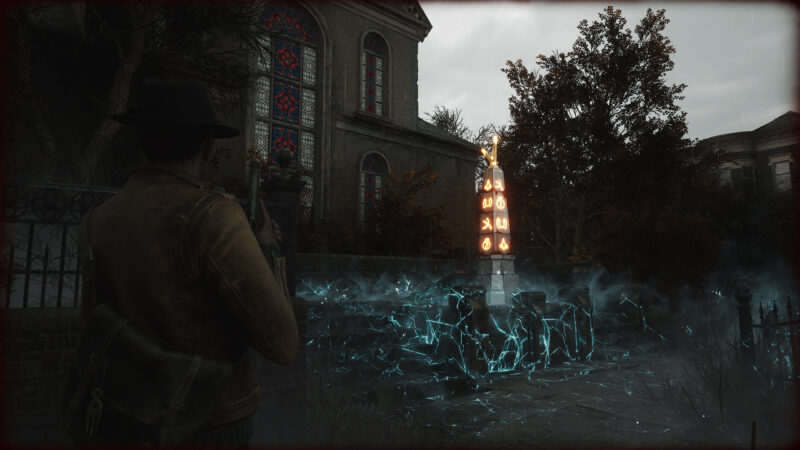
That structure becomes especially apparent during one of the preview’s church investigations, which blends environmental puzzle solving with combat encounters and clue gathering. While the detective story structure of the original game clearly still exists, it feels more restrained here, fitting into a larger survival horror loop rather than dominating it outright. Honestly, that may end up being a smart decision on Frogwares’ part.
Lovecraftian games often struggle under the weight of their own ambition. Many aim for psychological complexity or sprawling investigative systems, but end up losing momentum in the process. The Sinking City 2, at least from what I played, feels more focused. There is a strong effort to keep tension active, whether through enemy encounters, resource management, or the environmental vibes.
Gameplay & Combat
Combat itself leans into familiar over-the-shoulder survival horror sensibilities. Enemies roam the flooded streets of Arkham, from grotesque humanoid creatures with visible weak points to smaller monsters that violently close distance when you least expect it. Ammunition never felt infinite during my time with the game, but neither did combat become exhausting.
There’s enough danger present to keep encounters stressful without crossing into frustration. Melee options and environmental traps exist too, though I found traditional gunplay far more reliable overall.
Where the preview truly clicked for me, however, was during a later section set inside Akeley Hospital. The hospital carries a far denser and more claustrophobic atmosphere than the earlier portions of the demo, leaning fully into the slow-burn structure that defines classic survival horror, and veteran survival horror players might find Hospital-based settings quite memorable (hint hint, Silent Hill, anyone?)
Locked doors loop back into previously explored hallways and every room feels designed to reward careful searching. At one point, progression requires obtaining the preserved face of a nurse to bypass security mechanisms, a grotesque detail that complements the game’s oppressive tone without feeling overly theatrical.
It was here that I began to understand what Frogwares seems to be aiming for. The Sinking City 2 seeks to define its own place within the larger architecture of the survival horror genre. The map system, which highlights uncleared rooms until all items are collected, immediately reminded me of the genre’s most satisfying exploration loops. Inventory space is limited but manageable, safe rooms offer manual saves and item storage, and crafting materials are scattered carefully enough to make scavenging feel meaningful rather than tedious.
Players use “dream essence” to unlock passive abilities, but only a limited number can be equipped at once. Too many modern horror games eventually undermine their own tension by making players excessively powerful. From what I experienced, The Sinking City 2 seems aware that survival horror only functions when the player character experiences vulnerability.
Assessment
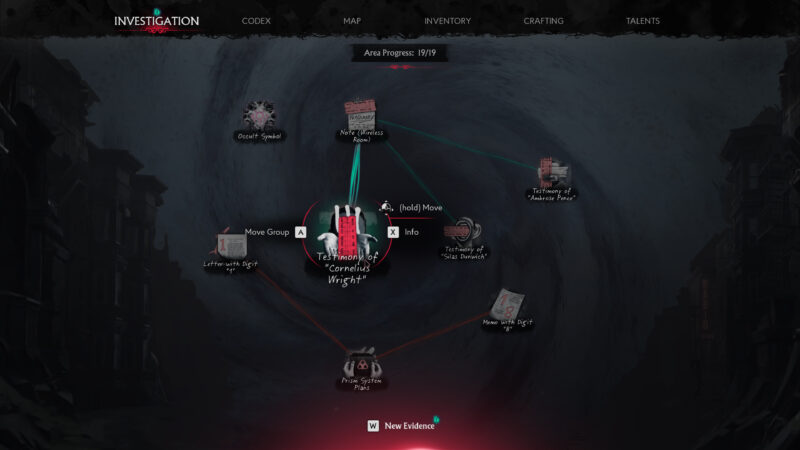
The investigative mechanics also still maintain a presence through clue organization systems tied to puzzle solving, preserving some connective tissue with the original game’s identity. Thankfully, these moments never felt intrusive or pace-breaking during the preview. Instead, they functioned as extensions of the atmosphere itself, rewarding observation and attention without overwhelming the core survival loop.
Of course, Frogwares has historically carried a reputation for ambition occasionally colliding with technical roughness. That underlying jankiness has long followed many of the studio’s projects, including the first The Sinking City, even when the ideas themselves were compelling. But based on this preview, The Sinking City 2 feels noticeably more confident in its direction. More importantly, it feels aware of its strengths.
If Frogwares can maintain that oppressive atmosphere while smoothing out some of the mechanical stiffness the studio has struggled with in the past, The Sinking City 2 could end up being more than just an interesting Lovecraftian experiment. It could finally become the breakout survival horror experience that puts the series fully on the map. The game is available to wishlist now on Steam, and will be available across all major consoles.