
 x.com/abiyaannnn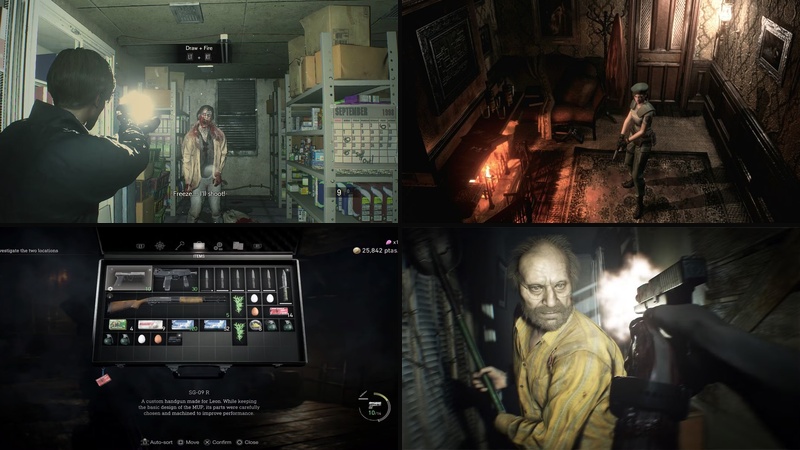
Resident Evil is the biggest survival-horror franchise in the horror gaming space, having sold over 200 million units, and it continues to shine and evolve like never before. Sometimes, I really wonder how Capcom has managed to redefine the franchise over the years while keeping it fresh and relevant, with every title still offering something different from its predecessors.
Capcom has done remarkable work with the modern remakes, with not only enhancing graphics for modern audiences, but also changing the pacing and expanding character depth to attract new players. The recently launched Resident Evil Requiem has already received a massive reception and quickly become the fastest-selling title in the franchise’s history.
Looking back at the older Resident Evil games, I believe Capcom never actually stopped evolving the franchise. Every game boasts its own innovations and unique flavor, a major reason for the series’ success and why it continues to shine in the modern era.
From Fixed Cameras to First-Person Fear
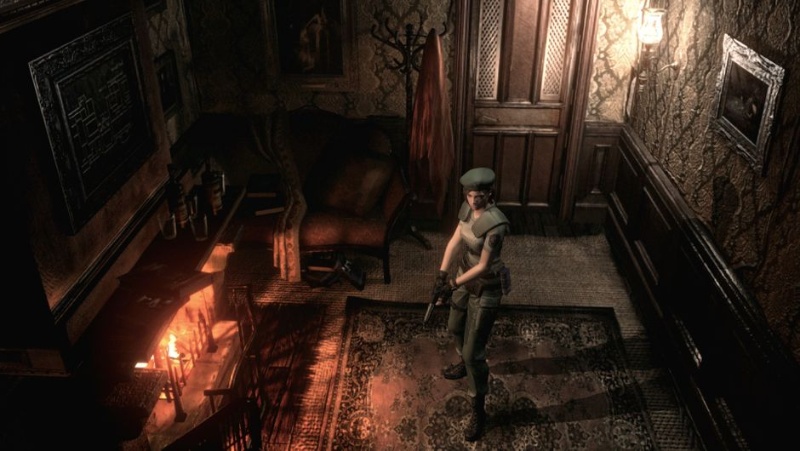
While the franchise began with a fixed-camera style that didn’t let players clearly see what was ahead, it made them truly terrified. If any of you are wondering how that camera works, as the name suggests, a fixed camera was placed in specific areas and it wouldn’t move around or follow the player.
Though this was done back then because of technical limitations, this became a creative way for Capcom to scare players because you could never fully predict what was coming next. Fixed cameras made exploration much harder, making the earlier games feel more terrifying.
As time went on, we experienced how Capcom introduced the over-the-shoulder third-person camera with the launch of the majorly successful Resident Evil 4. While fixed cameras were still a huge part of the first three games in the franchise, despite Capcom experimenting with different ideas, RE4 was the first entry to completely abandon them.
Changing the camera style made aiming and shooting easier, improving the combat experience while still keeping tension through limited resources. Though this was a great balance between action and survival, Capcom didn’t stop there and later introduced a first-person view with the launch of Resident Evil 7: Biohazard.
In my opinion, this has been a game-changer for the franchise. I love how Capcom continues to evolve the Resident Evil franchise to meet modern expectations while still delivering the horror experience fans have come to expect.
The Balance Between Terror and Combat
I have played countless survival horror games in my life, but none have handled the concept as well as Resident Evil. If you have played games in this genre, you would also know that terror and combat are both equally important to make the experience solid. If a game is too combat-focused, you won’t feel scared, and if it leans too much toward terror, you become extremely vulnerable without any control.
And that’s exactly why in my mind, balancing both is the key, and also why I am a fan of the Resident Evil franchise particularly. It gets this balance right, giving enough fear to keep the player on edge while offering combat as a form of relief. It is this constant mix that makes a great Resident Evil title.
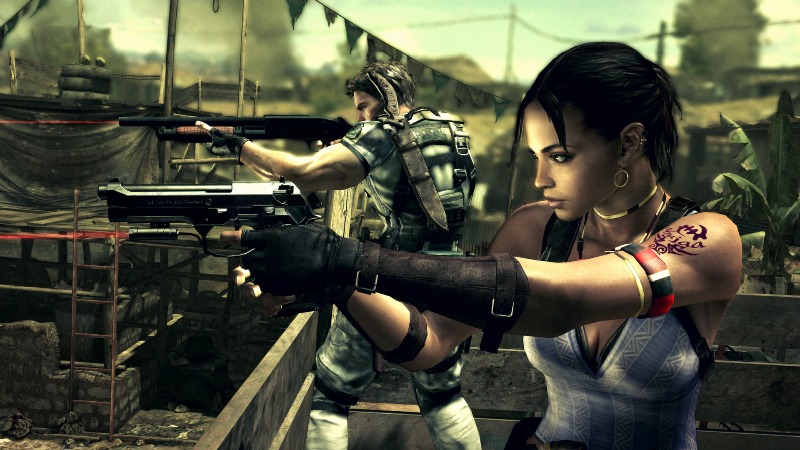
Capcom does this mix extremely well through limited ammo, healing items, and inventory space, constantly putting players under pressure to decide when to fight and when to run, making them think twice before every move. They experimented with a different direction in Resident Evil 5 and 6, making the games more action-heavy, which reduced the sense of fear for many players.
Thankfully, the developers realized this and brought back vulnerability with Resident Evil 7: Biohazard. The latest entries also strike a balance between terror and combat, allowing players to feel vulnerable while still maintaining control. This has been a major reason the franchise continues to perform so well even after decades, because very few games do so as consistently as Resident Evil does.
Reinventing Horror for Every Generation

Come to think of it, Resident Evil never really stayed on the same gravy train for too long, and that has been one of the biggest reasons for its huge success and relevance, even after all these decades. Capcom kept adapting and innovating their flagship horror series, and with each generation, they brought new in new changes that players were looking for.
From fixed camera angles to third-person view, then first-person, and now offering a modern hybrid design to attract players, one of the many things I like about Capcom is that they never take anything for granted. They put in so much effort with every release, even with remakes. They rebuilt classic entries for a modern audience, adding new mechanics and visuals, and even changing the pacing to better match current expectations. Eventually, Resident Evil 4 Remake also became a massive success for the franchise because of how Capcom presented it to the modern audience.
This constant reinvention and redefining of fear with every release, sometimes through isolation, other times through action and pressure, means there is no “real” repetition.
Even as a successful franchise, Resident Evil continues to offer a unique and immersive experience with each release. Resident Evil has been redefining horror for every generation, which is why it is still the best for me in survival horror.