
 x.com/abiyaannnn
Horror games have seen many significant changes over the years, evolving from their use of fixed camera angles and tank controls to open-world gameplay and online multiplayer features. But perhaps one of the most notable shifts in the genre has been the transition from a fear-based experience to a more action-oriented approach.
Following the immense success of Capcom’s Resident Evil 4, developers began designing horror games that empowered players with big guns, flashy combat, and enemies that could be easily managed. While this approach was initially exciting, it has since become quite predictable, resulting in a noticeable decline in the sense of fear and dread that traditionally defined the genre.
Thankfully, both AAA and indie developers are returning to a focus on vulnerability in their games. They are once again taking power away from players and forcing them to hide and survive with limited resources, creating genuine psychological terror in horror games. This constant sense of unease keeps players on edge, restoring the tension that makes horror truly compelling.
Upcoming titles like Resident Evil Requiem, the Fatal Frame II: Crimson Butterfly Remake, along with several indie titles, are bringing classic vulnerability-focused experiences to modern audiences, proving that being powerless can be far more engaging and frightening than being overpowered.
Psychological Terror Over Jump Scares
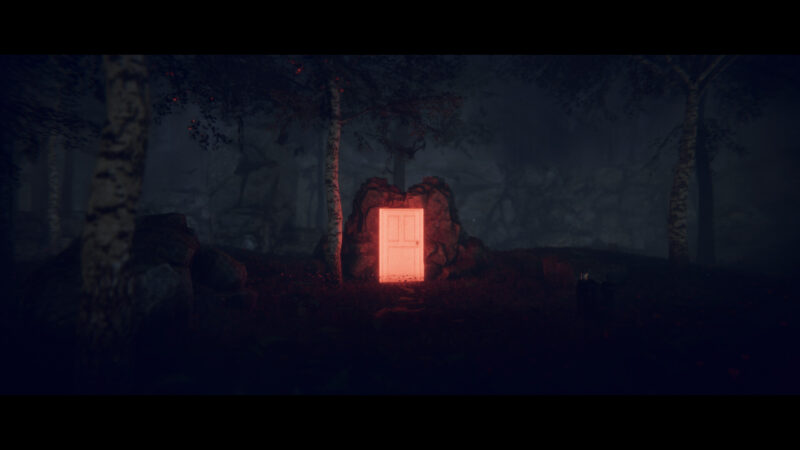
Jump scares used to be enough to keep players engaged with a game, but now they often feel predictable and lack impact. This year, the focus has shifted away from cheap jump scares toward creating more unsettling moments and experiences that linger in players’ minds long after they’ve finished the game. Not only do big-budget titles like Resident Evil Requiem emphasize fear by limiting resources and creating a sense of vulnerability, but indie games are also set to impress this year, with promising releases like Project Songbird, Hotel Espir, and many others on the horizon.
It is great to see indie developers focusing on psychological horror and moving away from traditional formulas. The repetition over the last few years has made jump scares so predictable that they’ve lost their impact. Personally, I’m excited for titles that create genuine tension, where every step needs to be done carefully to avoid getting killed.
This constant tension of being cautious for survival is what makes a horror game truly horrifying and worth playing. That’s why psychological horror has become a defining focus in 2026.
Helplessness Is the Point
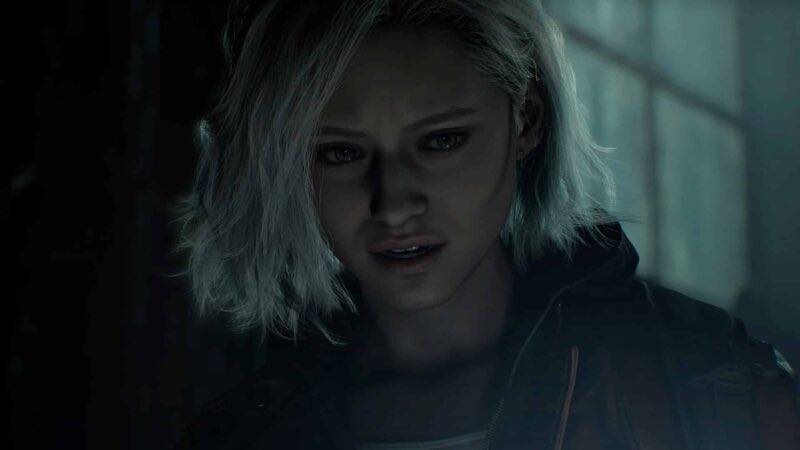
Weapons can diminish the sense of tension in horror games. Once players realize they can survive by using a weapon to easily defeat enemies, their feelings of vulnerability and helplessness subside, resulting in a horror game that loses its effectiveness.
Real fear emerges when you have limited resources, the enemy is stronger, and your chances of survival are slim. In such situations, all you can rely on is your wits as you hide and wait for the right moment to act. Stay silent, be cautious, and immerse yourself in the feeling of terror and tension. This is when psychological horror truly clicks.
I have played all sorts of horror games, but every time my character is weak and has to hide and explore quietly, it suddenly feels genuinely scary. I start thinking about the consequences of my next moves and the fear of being spotted, knowing the enemy is far more powerful, and I’m done if they find me. The helplessness is the real point, and I’m glad horror games in 2026 are aiming to get it right.
Games in 2026 Understand the Assignment
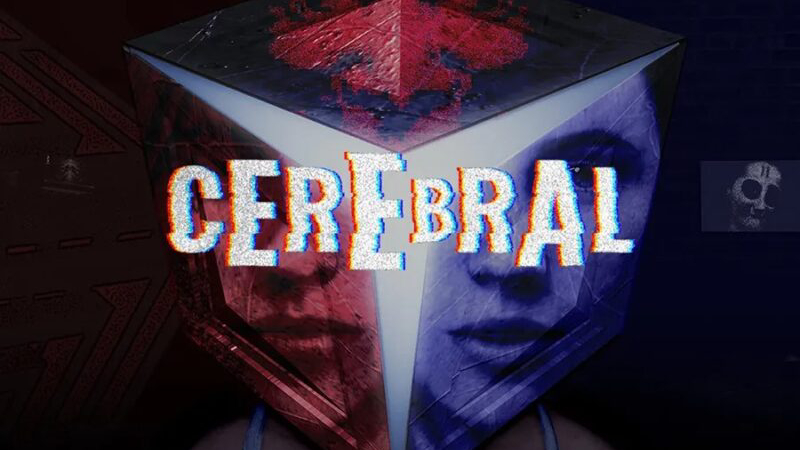
Horror games in 2026 have finally figured it out, as the majority of titles like Project Songbird, Cerebral, Mole, Immortum, and many others focus on making players feel vulnerable.
While recent years in the industry have already been great for the horror genre, 2026 takes it further. As a huge genre fan, I’m beyond excited to try out these titles and genuinely experience being in situations where I won’t have much choice and truly feel the hopelessness.
The broader shift in the industry will depend on how these titles are received. If they receive positive reviews, more indie and AAA studios will likely follow suit by focusing on psychological horror that highlights themes of helplessness and vulnerability, rather than action-oriented survival games. The future of the genre hinges on the success of the horror games set to release in 2026.