
 IDOLxISxDEAD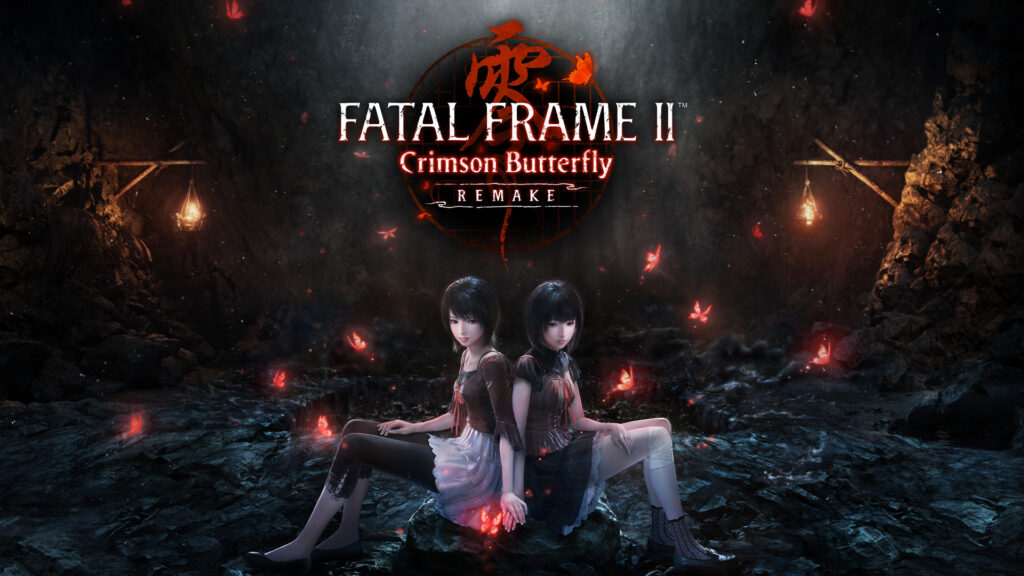
When the second remake of Tecmo’s classic survival horror game, Fatal Frame II was announced last September, some of us were a little confused as to why they’d remake a game that was already remade on the Wii. Personally, I had a lot of optimism for the idea.
I was excited to see how new updates to the game could positively affect the experience and its storytelling, especially after seeing footage of the game in action. The developers are updating the game with even more quality-of-life and general upgrades, rebuilding it from the ground up to be closer to the gameplay experience of Fatal Frame 5.
While the Wii remake did update the game’s visuals and control scheme to be closer to Fatal Frame 4, some would argue that it’s that very same control scheme that makes that version less-than-desirable. I’m generally inclined to agree, since the Wii’s tracking often feels less adequate than ever by modern standards, and the pointer tracking of the Wiimote wasn’t implemented very well in the game.
I’ve always thought that Fatal Frame II is the one game in the series that could use an update over the others, since it felt held back by the technology of the time, along with other elements that made it fall emotionally flat for me. While the Wii remake did a decent job of improving the visuals and the storytelling in small ways, the overall experience still felt underwhelming and a bit unwieldy because of the control scheme. That’s why I was hopeful about this modern reimagining.
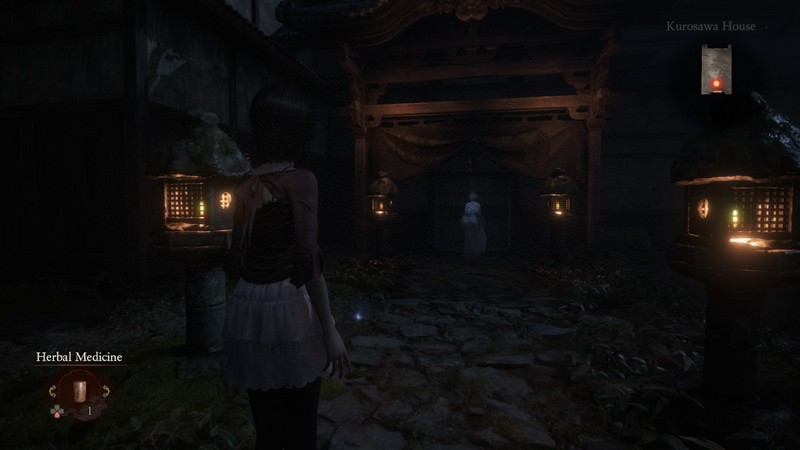
With the release of the new FF2 remake roughly a month away, we had the unique opportunity to preview a playable build of the game and experience the new updates for ourselves.
In preparation for the upcoming remake, I replayed the original game as well as the Wii remake to have them fresh in my mind to provide context and points of comparison, before experiencing the new version.
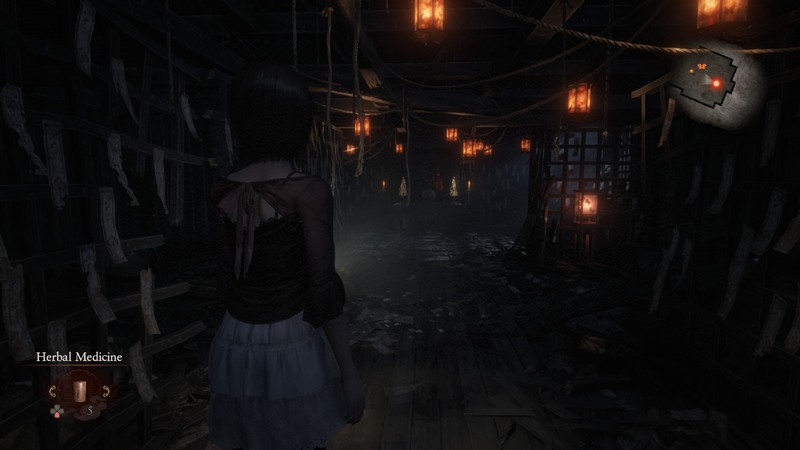
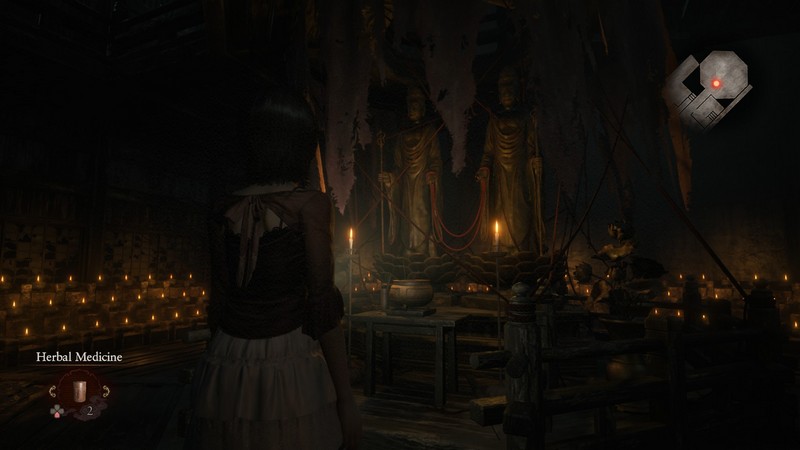
Right away, it’s clear that the visuals in the new remake have been updated to a level the series has never seen. It’s quite a feast for the eyes, especially considering the art design of the FF series has always been one of the its strongest elements. The character models, environmental detail, and cinematics are all gorgeous, and elevate the narrative to a new level of cohesiveness and emotional resonance.
The updated gameplay experience also feels on point, with greater control over the characters, who move noticeably faster. This generally enhances the pacing, and is in contrast to the sluggish pace of the first two versions of the game. There’s also a new dodge mechanic to help during combat and crouched movement, making for more movement options across the board.
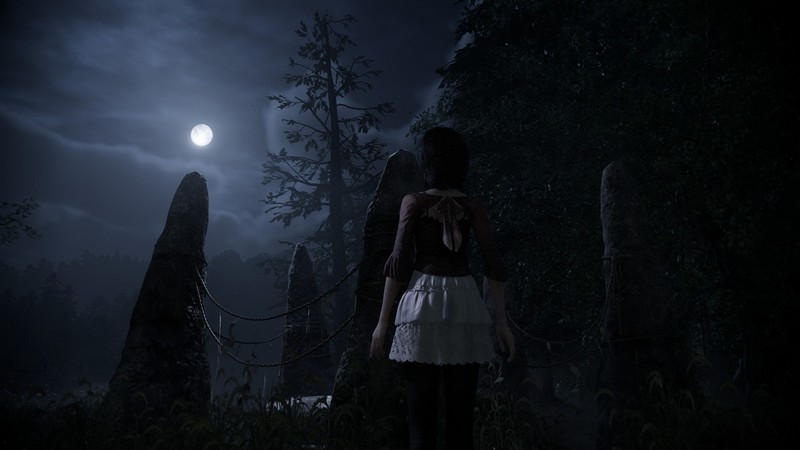
This new remake also rebuilds the experience from scratch. What becomes apparent pretty quickly is that this version isn’t content with simply repeating what the previous versions did. Even in the very first parts of the game, there are new buildings and areas to explore, new items to collect, and things to see. The main story also progresses in quite a different way.
The puzzles and progression are rearranged entirely, making the game feel fresh and unpredictable. This has become an compelling trend in recent video game remakes, such as the recent Resident Evil and Silent Hill remakes.
Along with the new things to explore, this FF2 remake also allows the mini-map to remain visible on screen during gameplay without having to pause the game to pull up the map – a great feature that’s retained from the Wii remake.
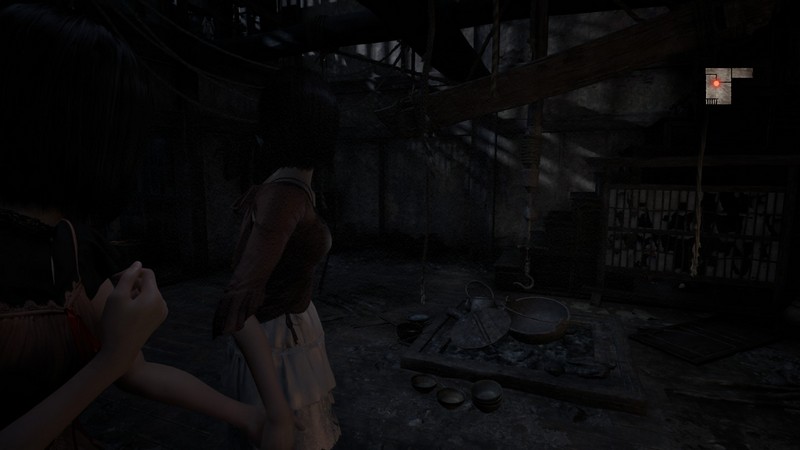
There’s also a new mechanic where you can hold Mayu’s hand whenever she’s with you during the adventure. Aside from making it easier for her avoid damage or move out of your way (which wasn’t possible in the previous versions), this mechanic also heals you. Even though this feature isn’t available all the time (as there are plenty of times during the game when Mayu isn’t with you), it’s still a meaningful addition to the game experience.
Another new inclusion is a better tracking system for all the side stories and extra narrative elements now that helps when trying to collect everything and see all the lore to be had, which gives you a general idea of where to find the next piece of the story of each particular scenario or set of characters.
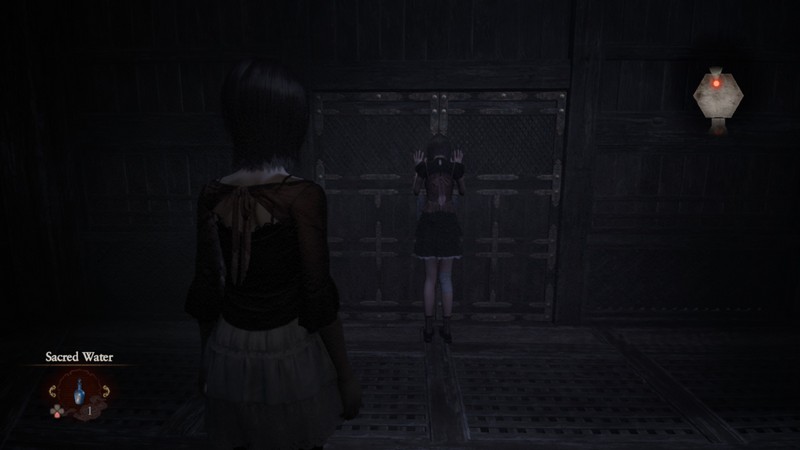
Some of the other important gameplay mechanics are all the upgrades to the combat or action sequences, both of which have been changed quite a bit from previous versions. There’s been chase sequences added, where you’re confronted by a powerful ghost that you have no ability to fight, and your only option is to find a suitable hiding place until they pass you by. Unlike the previous versions, where you just had to go to a different room to get them to go away, you have to actively and dynamically hide now.
This adds another dimension to the gameplay, making it feel a little closer to something like Alien: Isolation or a Clock Tower/Remothered-type game. It also changes up the pacing in a positive way, with the fear cranked up even more when you encounter these ghosts with both sisters together, since you need to be worried about the safety of both characters.
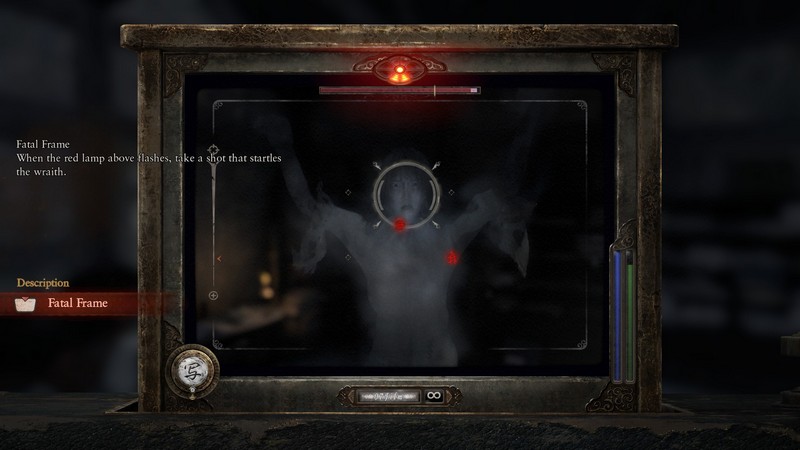
Combat has also been updated in a few ways to be a little closer to the combat from FF4 and FF5, plus a few new things that weren’t present in those games. The lock-on mechanic from the newer FF games and the Wii remake are retained here, allowing you to track ghosts that move around a lot and time your fatal frame shots a little better. This works pretty well, but doesn’t break the game by any means, as the lock will break any time the ghost teleports somewhere else.
Ghosts can now tackle your character, giving you a brief moment to stand up before pinning you down. This will automatically force a first-person mode where you must get a camera shot on their face while struggling. It’s a nerve-wracking addition that ratchets up the tension in encounters. The dodge mechanic is also nice to have, but not an easy way to avoid every attack, since your timing must be very precise for it to work.
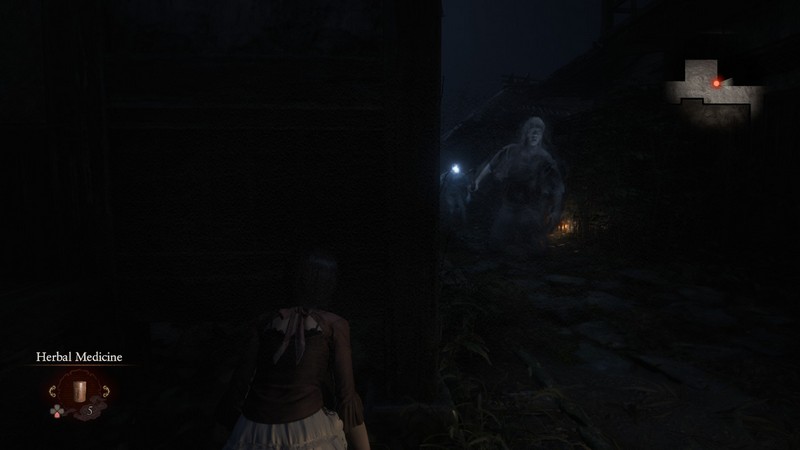
Aside from the improved combat, there’s also new added stealth mechanics, where turning off your flashlight and moving around crouched will allow you to bypass several unaware ghosts. This is one of the best additions to this new version of the game, and one that I never expected to see in the Fatal Frame series.
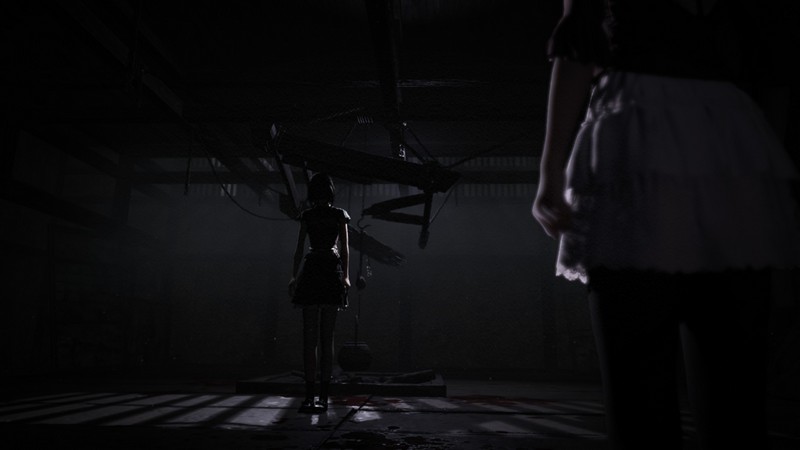
While we did get to play around five hours of the game, we were urged not to continue further, since some of the later chapters are still being finalized. So far, this is easily the best way to experience Fatal Frame II, and we can’t wait to dig into the rest of the game and all of its extra content in just a few weeks.
Tecmo just announced that a public demo for Fatal Frame II will be available on March 5th, a few days before the full release, so you’ll be able to experience a slice of the game for yourself.
Stay tuned here for a full review just before the release to see our final thoughts!