
It is truly a mystery who created the Castlevania series. Only in recent years has there been a public push to save and document games as an artistic medium. Since big corporations are often the face of these games, the actual people who make them are often lost to time.
That’s especially true in the early days in Japan, where companies like Konami would either fail to credit their developers at all, or give them nicknames that obfuscated who truly worked on the games. Some sources say this might have been to keep other companies from headhunting their employees; today, it has made figuring out who actually developed classic arcade and early console titles near impossible.
The hard work of fans and researchers has revealed some details to us, but there is still so much left unknown. Unfortunately, the early Castlevania games have little to no documentation about their creation, with barely any of their developers confirmed. In the last few years, fans have found a handful of people, and some developers have spoken up, but it is almost nothing compared to the details that can be found about later games. As an amateur games historian, I decided to test my mettle against this giant of the industry.
The greatest sources of information on this subject come from two fan translators, who have documented most of what is known about the early figures of Castlevania: Shmupulations and Arc Hound, who have a website and a Tumblr, respectively, dedicated to fan translations of Japanese game materials. Other sources include the Retro Gamer magazine article discussing Castlevania IV with its director, Ueno Masahiro.
These are sources fans of Castlevania have known of for years, so some of the following information won’t be new for them; what new information I found was available via Japanese magazines saved to the Internet Archive, sites like the Japanese @GameStaff wiki, or the LinkedIn and social media accounts of creators. Most of the information I’ve found is, tragically, not related directly to Castlevania, but instead covers the developer’s later history. Many members of the team went on to achieve greater heights on different series, while their involvement in Castlevania’s early years faded into the background.
Akamatsu Hitoshi
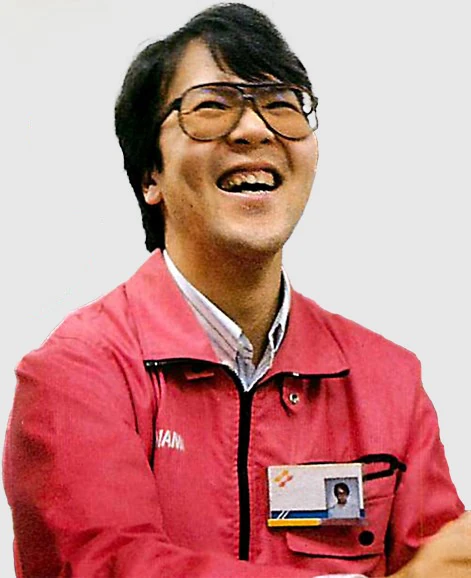
As best as fans can tell, the original creator of Castlevania was likely Akamatsu Hitoshi. Almost nothing about him is certain – what we do know is all secondhand, coming from other Japanese creators and former team members.
He was likely born in 1960 and was 26 years old in 1986, when he was assigned to direct Castlevania; he was also the deputy director of Konami’s Development Division 2. His earliest credit we know of in English is 1985’s Finalizer, an arcade game, where he worked as a programmer. Afterwards, he was moved from the arcade department to NES games, where he started his second project, directing Castlevania. He would be credited as ‘Trans Fishers’, a play on the name of Hammer Horror films director Terence Fisher.
One thing that seems certain about Akamatsu was his love for movies. It’s mentioned by a few former Konami employees, and it’s clear throughout the first three Castlevania games, which were all his work. While developing games, Akamatsu had a ‘film director’s eye’, talked about ‘film’ feeling and respecting the ‘visual frame’. In fact, his love of film went so far that he influenced other creators’ games; he adored the film Alien, and was so enraptured he told everyone at work about it, leading to the spread of HR Giger influence in Konami games.
 All the monsters in Castlevania are clearly pulled from Western horror films: resurrected dead in the form of zombies and skeletal men; vampire bats, ravens and black cats, all associated with witchcraft, as well as hunchbacks and possessed suits of armor, which feature heavily in gothic tales. Flying heads called Medusas pull on Greek myth, but in this case it’s actually referencing Hammer’s 1964 film, The Gorgon. Giant bats appear in Scars of Dracula in 1970, mummies in the titular The Mummy in 1959, Frankenstein in many of their films starting in 1957 with The Curse of Frankenstein, and, of course, Dracula himself. The incredible popularity of the 1958 film Horror of Dracula in Japan is likely why, of all these monsters, he is ranked highest and the ‘ruler’ of the rest.
The film influence wasn’t solely from Hammer. One story about Akamatsu says he was behind the game’s signature whip, which he felt fit the game’s world. When you consider the dangers of letting these creatures get close, a long-distance whip does make sense. However, Akamatsu was also a huge fan of the Indiana Jones film Raiders of the Lost Ark, and first took the whip from its titular character.
The game’s monsters and setting clearly came from the choice to pull from Hammer Horror films; this meant the game almost had to have a gothic vibe to match the source material’s inspirations. Dark colors, towering gothic structures, and ancient crumbling edifices.
Game difficulty was a major concern for Akamatsu; some who worked with him felt he really wanted anyone to be able to beat the game, as his standard for difficulty was not to create a game he himself could not beat. Control schemes were important to him; he wanted the game’s movement to feel like an ‘extension of the player’s limbs’. At one point, they tried implementing upward and downward movement of the whip but had to drop it. There were also many subweapons that were cut, including traditional anti-vampire equipment like wooden stakes and garlic, a gun, eatables with bonus power-ups, and a transformation into a werewolf. There was a guardian spirit, an invicibility bible, even the sword Excalibur, all of which were edited or hit the cutting room floor.
A fellow developer pointed out how easily Simon could die in-game, simply by being knocked into a pit, but Akamatsu pointed out that his hero doesn’t die from one hit, while Nintendo’s Mario does. The protagonist Simon was originally going to be named Peter Dante; the reason for the change isn’t known. And why does the player heal with meat? Akamatsu felt that should be obvious; the money bags were also an obvious symbol, easy and quick to understand.
One element that didn’t go as planned was the fight with Dracula. The player only receives a single point for defeating him, but that was a bug. Akamatsu was new to working with the Famicom and accidentally set the points wrong; it was supposed to be 10,000. And why does Dracula’s head fly off after the fight? It was Akamatsu’s way of foreshadowing the creature’s inevitable return, as were the scattering body parts.
The second boss, in Akamatsu’s view, was not Dracula himself but an “incarnation” of humanity’s “curse”, which is why Simon is cursed when he defeats him. “That is a monster borne from the curse of man.” He added, “In a truly peaceful age, Dracula would not exist.” The rotating gears in the castle represent Dracula’s heart; they keep moving while Dracula is alive, which is why the clock tower collapses when Dracula is destroyed.
The game was called Akumajo Dracula in Japan, but the Senior VP of Konami America didn’t think the translation of that title would fly in the West. He thought it translated to ‘Dracula Satanic Castle ‘ and was uncomfortable with the religious connotations. Instead, he came up with a portmanteau combining castle, for the setting, and Transylvania, the homeland of Dracula, to make Castlevania.
Castlevania was hardly the only game Akamatsu worked on while at Konami; another was the sequel adaptation The Goonies II; an interview from the era discusses a ‘newbie’ programmer in charge of the game’s sub screen, first called Mr. H, then called Akamatsu Hitoshi. He was ‘busy studying seriously every day ‘, even ‘working during Holidays’. The interviewer asked where he drew his inspiration, and he responded, “Game ideas can be gotten from anywhere. Not just movies, music or sports, but also from the littlest things in everyday life.” He would work on Goonies for six and a half months; it’s possible that was the average lifespan of a game dev cycle at the time.
After Goonies, he went straight to working on Castlevania II: Simon’s Quest, a title Akamatsu came up with. This would step away from the previous game’s formula; possibly inspired by the popularity of the genre at the time, Simon’s Quest would be an RPG, in which the protagonist must seek out and destroy the pieces of Dracula by exploring dungeons, talking to townsfolk, and other typical RPG fare. When asked what game inspired the switch, Akamatsu named the Konami title Maze of Galious. At night, zombies appeared in the towns, and originally they were going to hop, a reference to the Chinese Jiangshi. Apparently, they were too strong, so Akamatsu reluctantly changed them to Western zombies.
Simon’s Quest was far less popular compared to its predecessor, and the next game, Castlevania III, would return to its roots. One interview on the subject said Konami’s work at the time typically assigned a lead programmer, lead character designer, and music creator to each team, with no real ‘creator type’ like Kojima. A programmer was typically in charge, which is likely how Akamatsu ended up in the role. Another interview says the planned meetings weren’t the only source of creativity; team members were also asked to submit rough drafts individually.
The actual design of the game was done communally, in team meetings, where character designers played a lead role in the game’s overall image. For III, the focus was on returning to the look and feel of the first game, which was far more popular. They eventually decided to create a multi-character system, further developing the lore and story of the series; but with more than a few games and spin-offs in the series, the plot and timeline were starting to get confusing. It wasn’t something Akamatsu was concerned with, a former teammate said; he ‘didn’t seem like the kind of person who cared about those things very much’.
After Simon’s Quest, Akamatsu seems to have worked on a Dragon Scroll game and Jarinko Chie in 1988, for which he did everything, including design and the title’s logo; then came Castlevania III in 1989. In 1990, he worked on a sequel to Metal Gear called Snake’s Revenge. Afterwards, he moved back to the arcade division. His last game with Konami may have been Asterix, working as main programmer in 1992. He was meant to work on another game, but suddenly left during development, joining another Konami department and working as a clerk in a game centre. Some former employees speculated it was a punishment of some kind or maybe he was studying for some kind of role, but no one knows for sure.
His trail ends for a few years, until 1997, where he reappears working at Vingt-et-un Systems working as director on Tsurido: Umitsurihen, a fishing simulator. He remained there until the early 2000s, when he left the games industry and the public eye, entirely.
Nagata Akihiko
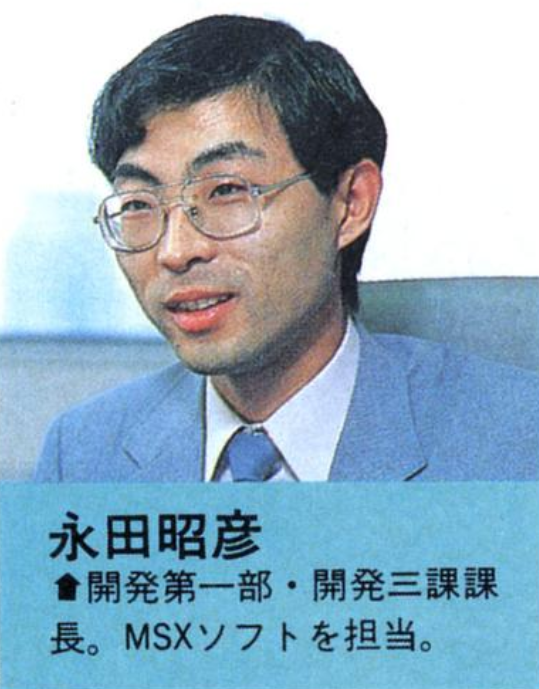
The producer for the first Castlevania games was Nagata Akihiko, who has worked at Konami since at least 1987, acting as supervisor for Nemesis 2. He appears in quite a few Japanese interviews over the years, acting as the face of various projects and discussing how they work. He always carries a pen and paper, he said, so he can write down whatever ideas happen to come into his head, concepts for games and types of gameplay to try.
His role has shifted over the years: at times the deputy director of the technical research division, manager of Development Section 3, which worked on MSX games, senior managing director and head of the CP business division; he was even the president of the Konami Computer Entertainment School for new employees. From 1996 to 2005, he was the president of Konami Computer Entertainment Japan, and at one point he was company VP. It seems like his role has become more and more involved in general production and business matters rather than the creative side, which may be why his name hasn’t appeared in game credits since 2010, working on Ninety Nine Nights.
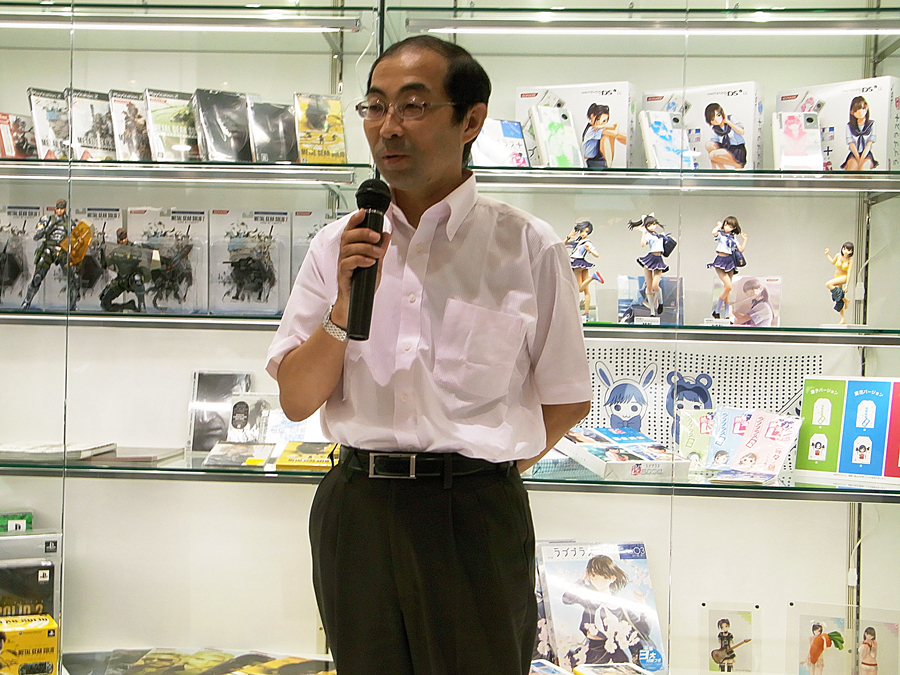
He was a producer on Policenauts, Snatcher, Gradius, Life Force, Tokimemi Memorial Drama Series Volume 1, Metal Gear Solid and MGS VR Missions; in the early 2000s, he shifted into the Konami Music division and worked on the Dance Dance Revolution series. For Castlevania, Nagata says he made the map for the game in just four days during the Obon holiday.
Togakushi Noriyasu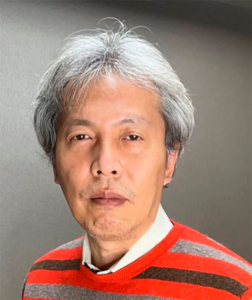
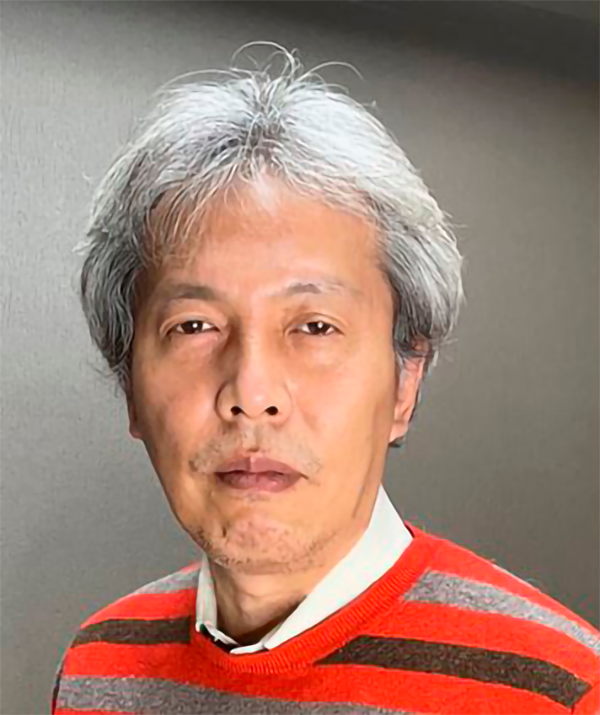
The only artist named on the original Castlevania was Togakushi Noriyasu. I’ve only found one developer in English who shares the name and the right kanji: “戸隠規泰“. His LinkedIn profile is sadly very sparse; he only lists his most current position, so I cannot be certain this is the same creator.
In the nineties, Togakushi Noriyasu worked at Taito, working as a planner on games like Power Blade 2, Densha de Go, and Hana Takadaka. While there, he also directed a few games, including YS IV: Mask of the Sun A New Theory and YS V: Lost Kefin, Kingdom of Sand. But the biggest project he may be associated with is the Nintendo DS classic that sparked a long-running series: Cooking Mama.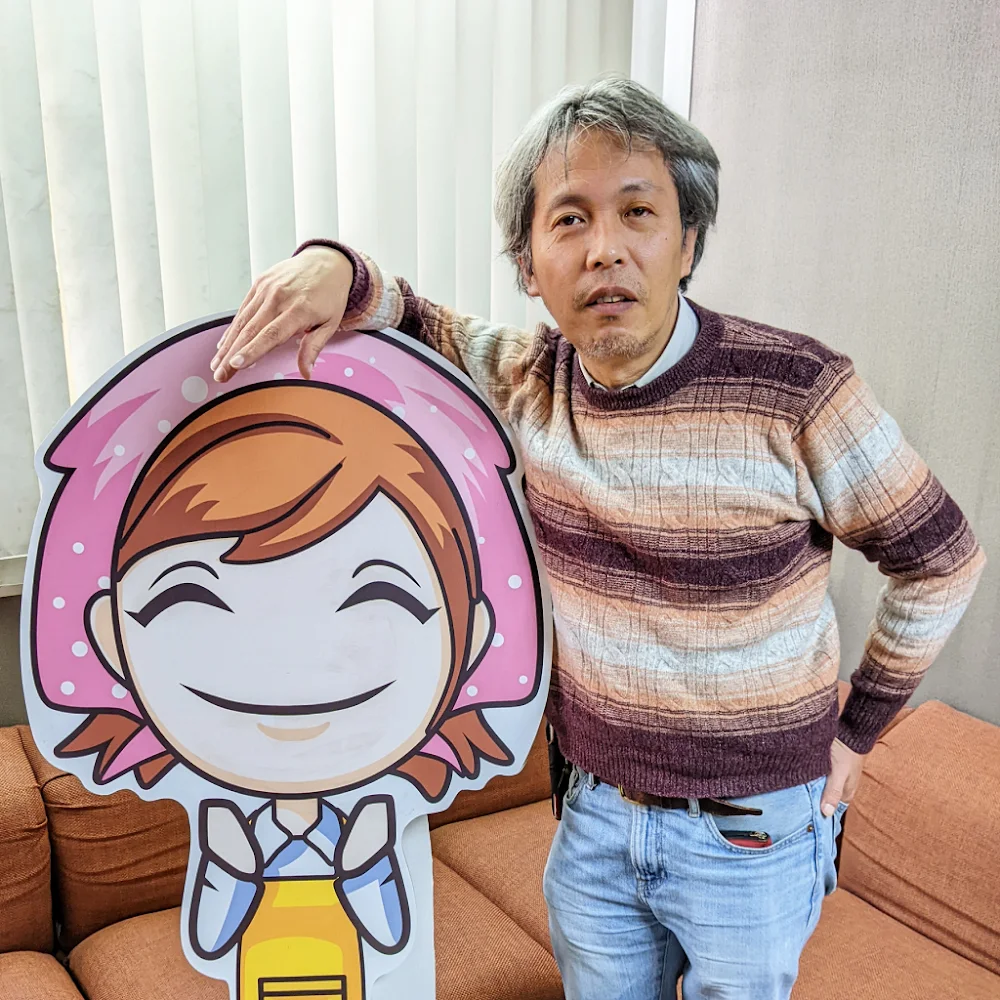
The title was Togakushi’s brainchild, one that teammates at Taito weren’t sure would succeed. It was aimed at women, and that target demographic was seen as too small for some. Togakushi pushed to make it a more casual experience, ‘not like a game’, something anyone could clear so long as they had time. It was meant not to make players feel accomplished at defeating something but to get them to have fun and become interested in cooking.
When he was designing the game, he was really thinking about Japan’s market, but when the game appeared at E3 in 2006 and started winning awards, sales exploded overseas. It became a global hit, and Cooking Mama became a series. Eventually, they began introducing international food, which led to some culture shock when global markets reacted to some unique Japanese elements, like putting lettuce on hot dogs and corn on pizza.
Jun Funahashi 
Funahashi Jun graduated from Kyoto Sangyo University with a Bachelor’s degree in Physics in 1988, and entered the games industry as a composer and sound designer at Konami that April. He would remain with the company for more than two decades, working as a sound designer, audio group lead, and department manager. His first assignment was Nazo no Kabe: Block Kuzushi, followed by The Adventures of Bayou Billy and Track & Field II on the NES. He worked on sound for the first and third Castlevania titles, as well as Contra Force, Ganbare Goemon, Frogger’s Adventures, Spawn, Dance Drance Revolution, YS VI, and Teenage Mutant Ninja Turtles.
In May 2007, he headed overseas to Chicago to work for Midway Amusement Games as an audio technician. It seems he went independent from 2007 to 2010, as an audio specialist and owner of his own company. Unfortunately, according to his LinkedIn resume, he has since left the games industry, though he may still be working independently on music. He lives in Schaumburg, Illinois.
Akada Isao
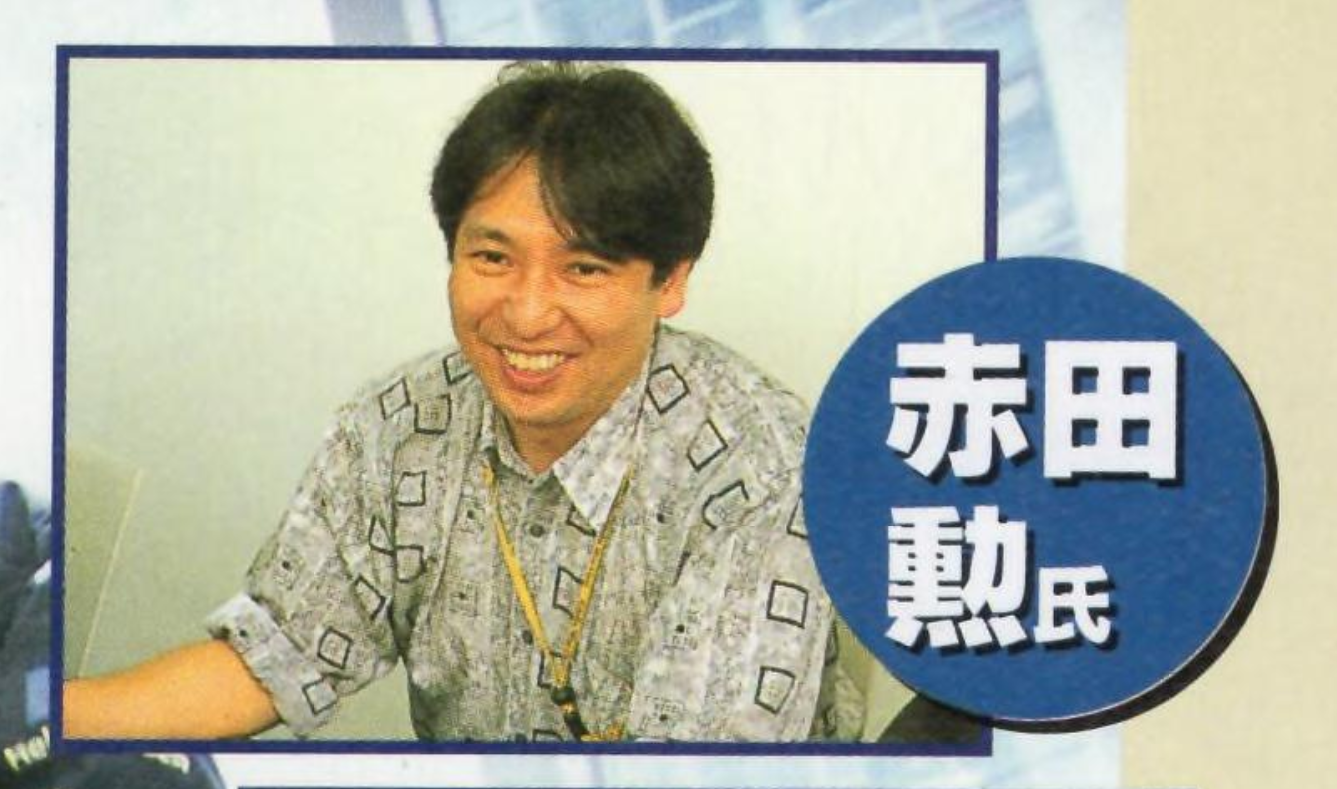
Akada Isao began his Konami career as a programmer for MSX games, like TwinBee and Vampire Killer. That is not his legacy, however; he is far better known for his role in the Power Pro baseball series, a huge hit in Japan that, in 2025, received a TV drama adaptation. Possibly similar to Akatmatsu, as a programmer, he may have been in charge of the original Power Pro game in 1994, as he’s credited in Japanese articles as one of the series’ creators.
He was born in 1962 in Nishinomiya City in the Hyogo Prefecture. Growing up near their stadium, he was a big Hanshin Tigers fan. He attended the Osaka Electro-Communication University, studying electronic engineering, and graduated in 1985. It took him an extra year to finish school, while he also worked part-time and spent some time traveling. His college thesis was a traffic simulation, which he worked on while staying overnight at his part-time job, using their PC 98. He discusses working long nights and staying overnight at Konami during his younger years, and this reference to the part-time job might mean he was interning at Konami before he graduated. As a young man, he was very into ham radio, and had received an offer for a job at an equipment manufacturer, but turned it down to work at Konami.
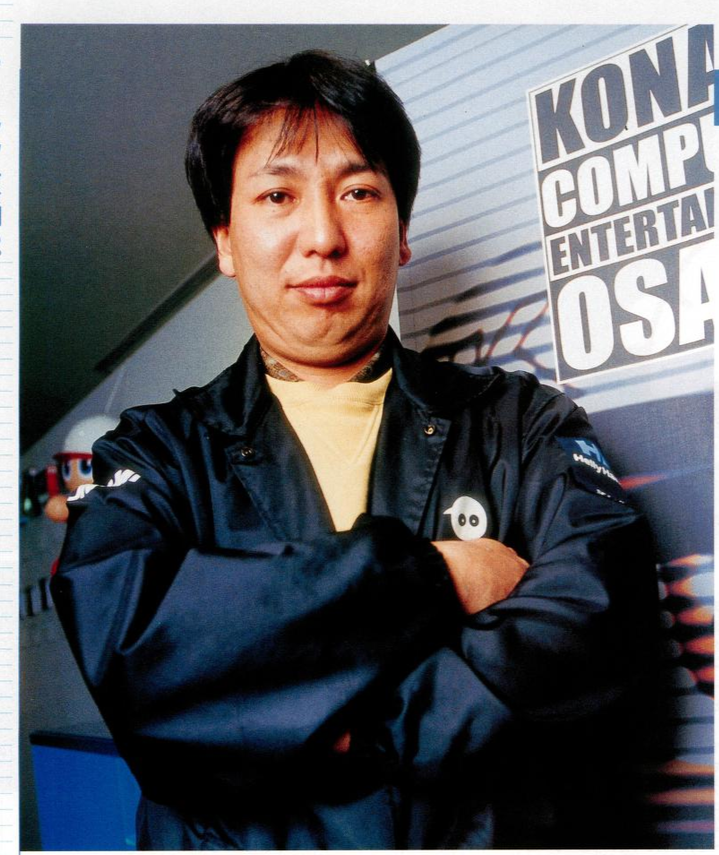 He was interested in computer software, but had no idea Konami made games. Akada officially began his career at Konami in 1986. Working alongside Toyohara Koji, an assistant programmer on Vampire Killer, Akada created Jikkyō Powerful Pro Yakyū ’94 for the SNES in 1994. When he first pitched the game, he was given a 30-minute lecture by his boss because of his proposed title: Teketeke Professional Baseball, based on the way the player characters ran. Teketeke refers to a Japanese ghost story, and it’s likely the boss wasn’t on board with naming a cute baseball game after something akin to the Ring ghost.
His role shifted from leading the CS2 Research Lab to becoming the Diamond Head Director, the name given to the team lead for the Power Pro division. It would become an incredibly unique role for game development, as the popularity of Power Pro led to collaborations with the Japanese Baseball Organization. He would attend countless baseball games, bringing as many as six cameras to record and study new players and teams. Eventually, after at least eight years on the series, he stepped down and worked on other Konami projects, including some golf titles, and spent some time in the consumer software division at KCEO.
Toyohara Koji
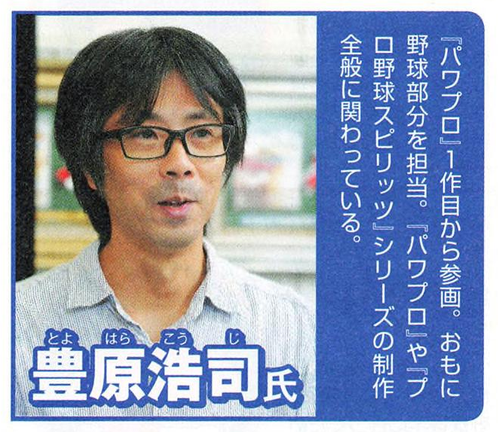
Toyohara Koji was born in 1966, and his career at Konami began in 1989 with the MSX2 game Gekito Pennant Race 2. In the same year, he worked on Vampire Killer as an assistant programmer. He continued working on MSX titles into the 90s, including Metal Gear‘s subprogram, and the character/animation/sound call on Snatcher.
When the first Power Pro was in production, the team behind it was just a handful of people, a five-man team of three programmers and two designers, and some members of the sound team. Toyohara was in charge of the programmers, and it’s likely two other members of this team were Akada Isao and Nagae Katsuya. As for the idea for a baseball game, he remembers that his boss was a huge fan of baseball, and two members of the team were already experienced with making baseball games, so it seemed a natural fit.
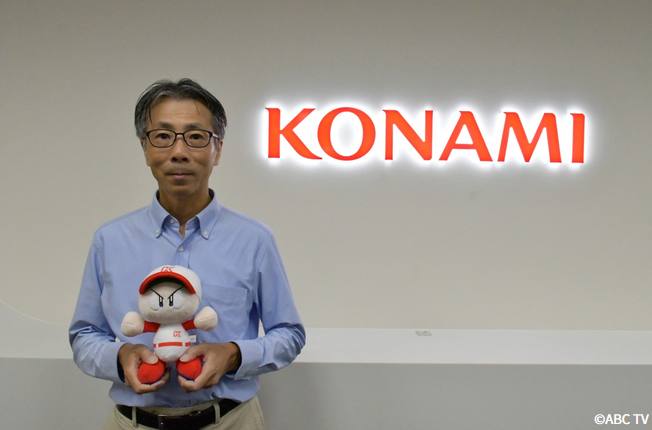
The deformed, chibi-like characters were the idea of one of the designers, who said they wanted the characters to look ‘like toys’. Toyohara wasn’t a fan of them at first. Can that really play baseball? But he came to realize the deformed features were actually useful, making it easy for players to understand directional movement and hit the target. He then made the request to the designer to make the characters seem more lifelike by making them blink.
Toyohara wasn’t a huge baseball fan. His father loved the Hanshin Tigers, but he never got into it. But he did play sports games constantly, competing against friends in virtual baseball and soccer. While at Konami, he worked on a game called Live Broadcast 68, which prompted him to study baseball more intensely, and he became interested in the sport.
For his part in Power Pro, Toyohara worked on the defense, ‘runner base’, and batting elements of the game. He’s since become a staple of the series, deeply involved in the stats and characteristics, and how the game expresses the player’s abilities through numbers. In the early days, there was no internet, so he had to watch the games and read newspapers and magazines to get an idea of the player’s abilities. In English, his game credits end in 2011.
Naga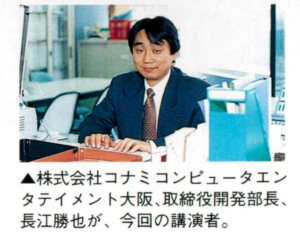 e Katsuya
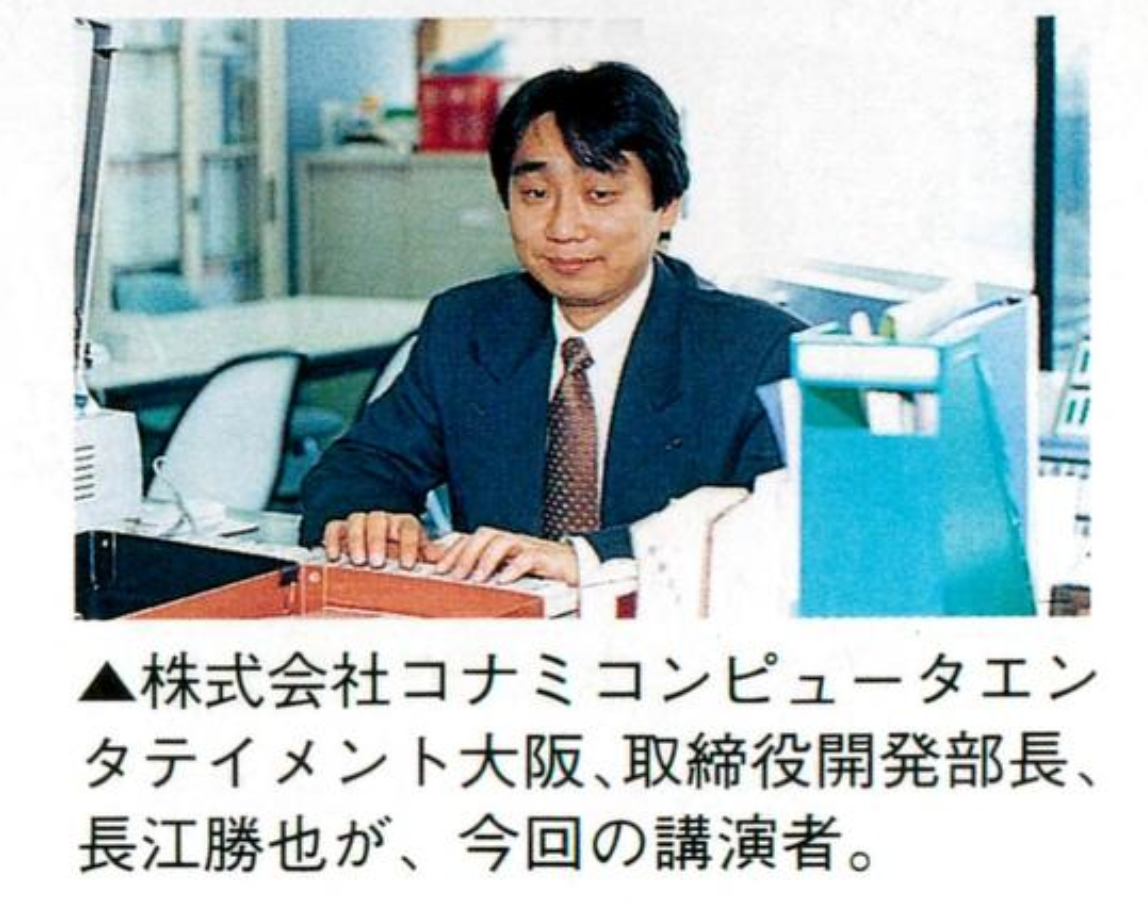
Many of Castlevania’s veterans worked on the original Power Pro game; one of them was Nagae Katsuya, a programmer on Vampire Killer who is named as ‘support’ for the original Power Pro. Though his role seems minimal, in Japan he’s known as the ‘father of Power Pro’, which likely means he had far more involvement than it seems.
As a young man, he was fascinated by Space Invaders, came to study physics while he was in college, and after graduation joined Konami in 1983. In the mid-90s, he became a producer, working on Tokimeki Memorial, Jikkyo J League, NBA Give n Go, International Superstar Soccer, the Nagano Winter Olympics, and more. In 1998, he was named Executive VP of Konami Computer Entertainment Osaka.
He remained heavily involved in the sports games department until 2003, when he took a unique step in his career. He became a college professor at the Osaka E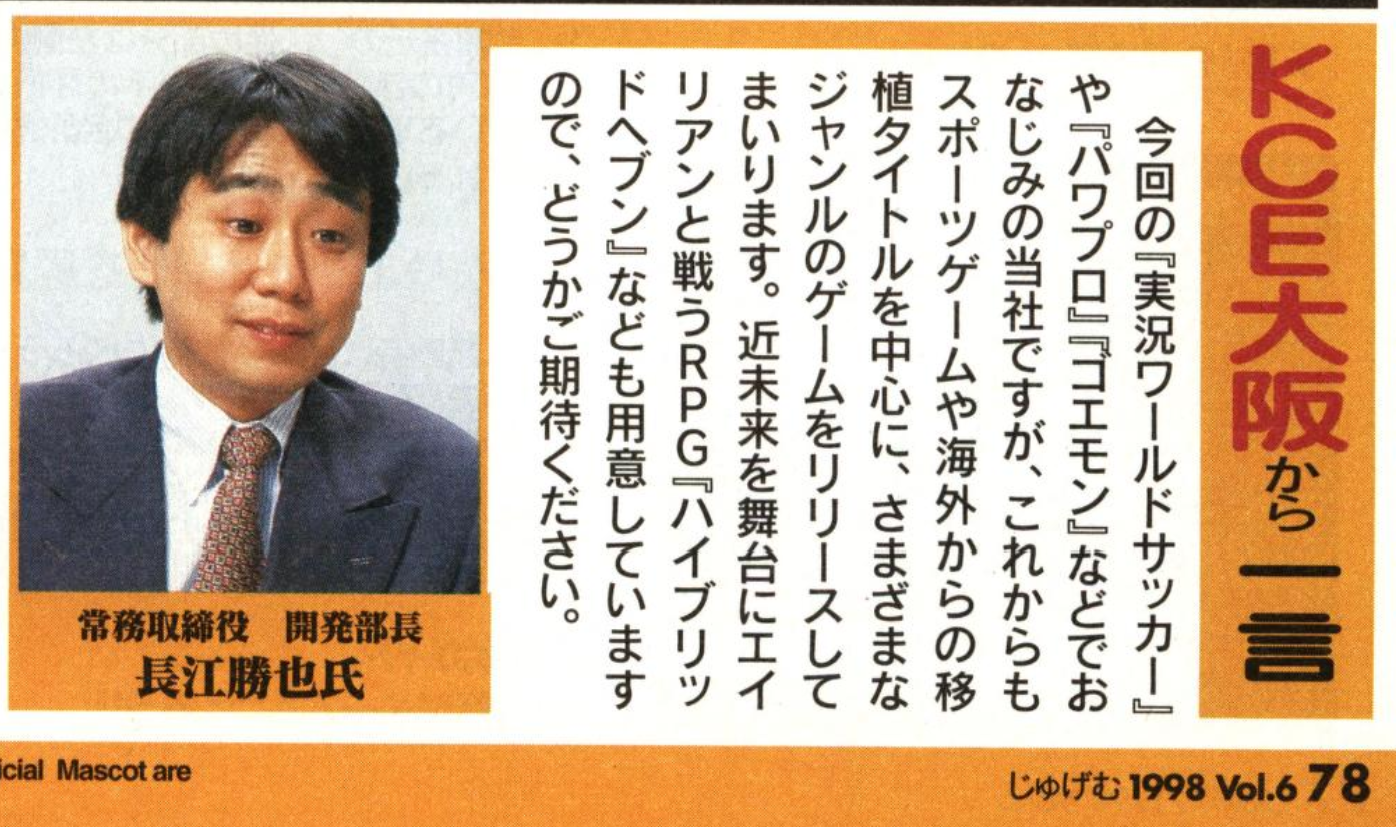 lectro-Communication College, in the Department of Digital Games, Faculty of Information Science and Technology. A first of its kind in Japan, the department specialized in game development aimed at teaching students to become ‘engineers, creators, and producers’ in the field.
Nagae continued to teach at the college until 2008. In April of that year, he was teaching at a partner school in China when he collapsed. He was taken to the hospital, but sadly passed away on May 5 due to a brain hemorrhage. He was only 47 years old.
[Continue in Part 2]