

 IDOLxISxDEAD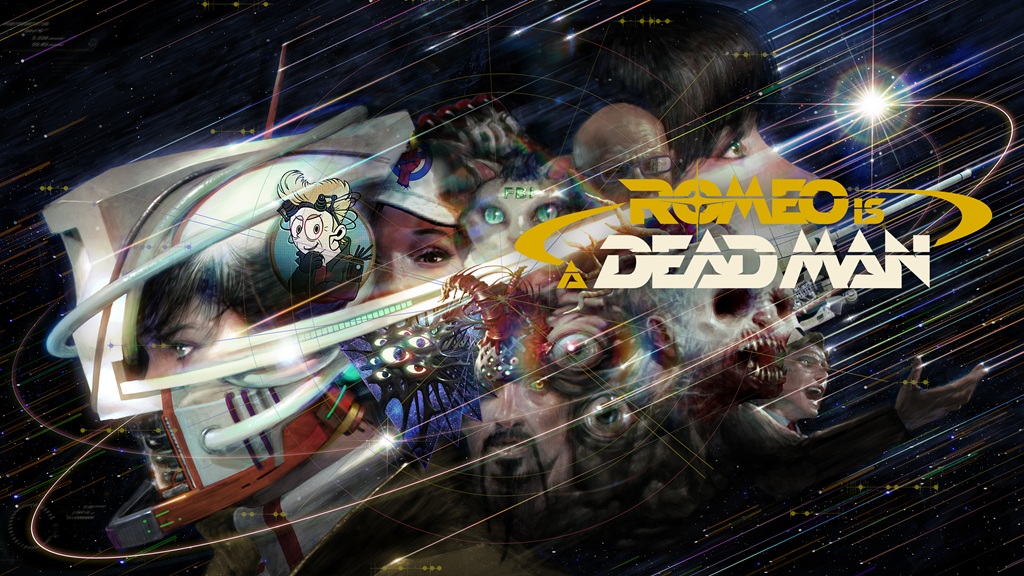
One of the hardest parts about describing a new Suda51 project is where to start. The notorious developer is one of the absolute kings of genre mashups and “punk” game design, which often breaks industry standards and norms, and tends to incorporate a significant amount of genre hopping throughout. However, we’ve got to start somewhere.
His newest project, Romeo Is A Dead Man, was announced last Summer, despite being secretly in development for a few years prior to that. It just may be the most difficult Suda game to encapsulate the essence of yet. In attempting to classify Romeo, you could say that it’s something of a ultra-violent sci-fi horror space opera hack & slash/third person shooter with some DNA from a lot of his previous projects such as Killer Is Dead, Lollipop Chainsaw, Shadows of the Damned, and the No More Heroes series, as well as other games like Wanted: Dead or the Devil May Cry and Oneechanbara series. Naturally, there’s plenty of other influences, generally too many to list, due to his penchant for cramming in as many homages to art and pop culture as possible into most projects.
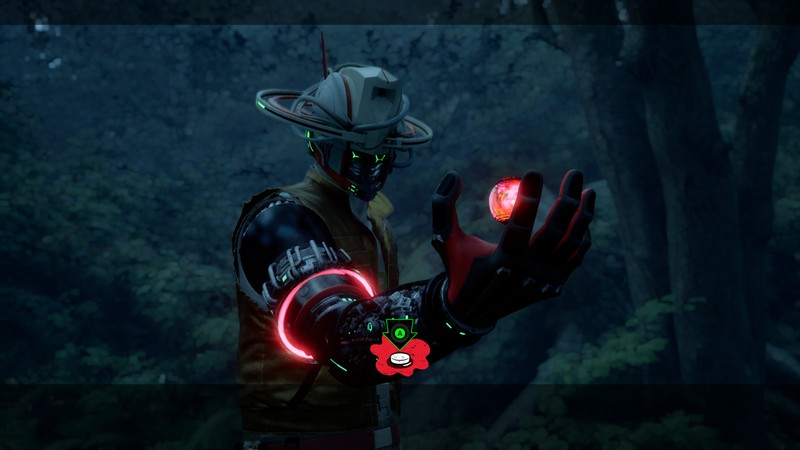
Romeo is a bona fide entry to his “Kill The Past” series, with not only a lot of references to the other games in the series, but even an utterance of the phrase itself at some points during the game, and while he did technically get a co-director credit on the game, he’s also credited as the creator, writer, and producer, among other things, so it’s clear this was very much his project, he just opted for some help from fellow Grasshopper staff director, Ren Yamazaki. So, as far as the tone and themes here, they’ll be right in line with most of his previous work, with all kinds of thought-provoking, nigh-philosophical dialogue, irreverent narrative structure, and all the violent punk attitude you could hope for.
As usual with his projects, the tone will constantly shift to elicit a sort of emotional rollercoaster, with moments of over-the-top silliness, badass action, wonder, horror, disgust, triumph, sadness, and many more. This is ultimately one of the biggest strengths of the project, making things never feel stale or boring, especially when paired with the fairly expedient pacing of the whole experience.
Story
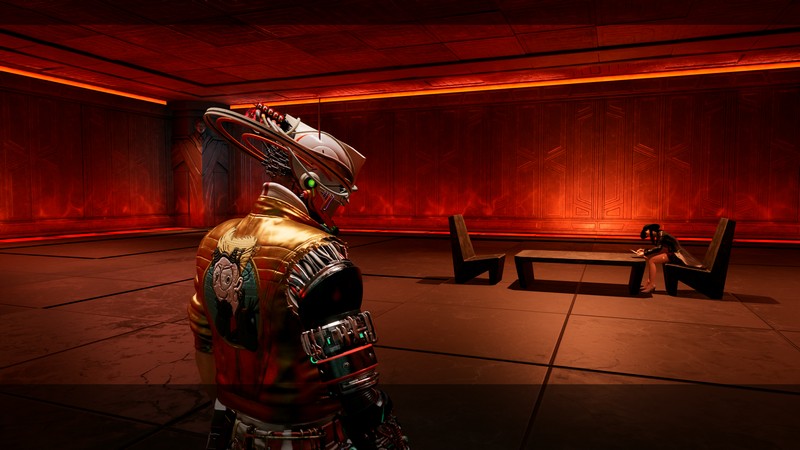
As far as the narrative goes, it never puts too much effort into telling a linear story that follows any sort of conventional storytelling beats, but is more interested in presenting a story that has a lot of mystery to it that’s slowly revealed as you progress, but with all kinds of other ideas, side-stories, and threads that branch off, always keeping you hoping your next trickle of story will be a puzzle piece to understanding the greater narrative. While it’s somewhat easy to get a little off-track from the main story when exploring the many action and exploration sections because they’re so much fun and so easy to get immersed in, it’s not all that important to be constantly thinking about the story to be immersed, since the world-building does that for you.
The main narrative involves what starts out seeming like a fairly normal story of a young police officer named Romeo who falls in love with a girl he rescues, named Juliet, but soon after, Romeo is killed by horrific monsters, and then revived as a sort of super cyborg, and the story instantly jumps into time travel, demons and aliens, and a space opera reminiscent of plenty of classic film and anime the likes of Gundam, Star Wars, and Back To The Future, among literally hundreds of others. Romeo becomes an intergalactic bounty hunter who travels through time and space to find temporal space criminals and finds out the disappearance of his girlfriend Juliet has something to do with an inter-dimensional ring of galactic criminals.
Combat & Gameplay
As you hunt through the galaxy and time to find the criminals, the gameplay will change up fairly often, with segments of flying through space in your ship, which plays like a space exploration game, then the activities inside the ship are in a 16-bit RPG format. When you find a planet or space object to investigate, you get to the third-person action segments, where most of the gameplay takes place, and there’s also minigames like a dating sim quiz, cooking, farming, and more, making the variety of gameplay within a playthrough quite high. As you travel around, there are two types of action stages, some of them being randomly-generated combat dungeons to reap lots of rewards for upgrading your ship and equipment, and others are more scripted stages related to progressing the story.
The combat segments are a joy to play if you’re a fan of hack & slash combat, as it feels like the distillation of everything they’ve previously accomplished with their similar action games, but with everything dialed up a notch and polished to a point that none of the previous games ever were. Along with taking inspiration and mechanics from other great action games, it all comes together to have the best-feeling action gameplay of any Grasshopper game to date.
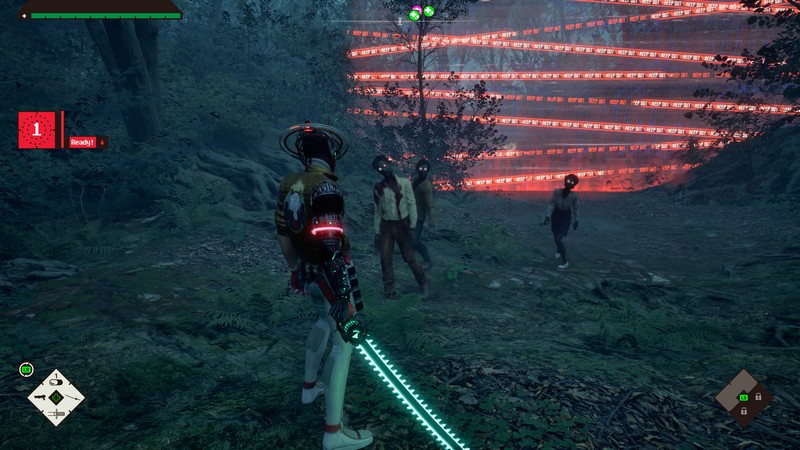
There’s tons of options for weapons and upgrades for both long-range and melee combat, along with plenty of equippable badges to tweak your strengths, and a system of “Bastards,” which are zombie companions that can be called in during combat to help you, with customizable and upgradeable effects.
There’s a meter for charging your special heavy attack, which also heals you when the hit connects, making its mastery very important to being able to progress smoothy, even on the normal difficulty, where enemies can often take you down in just a few hits if you’re not paying attention.
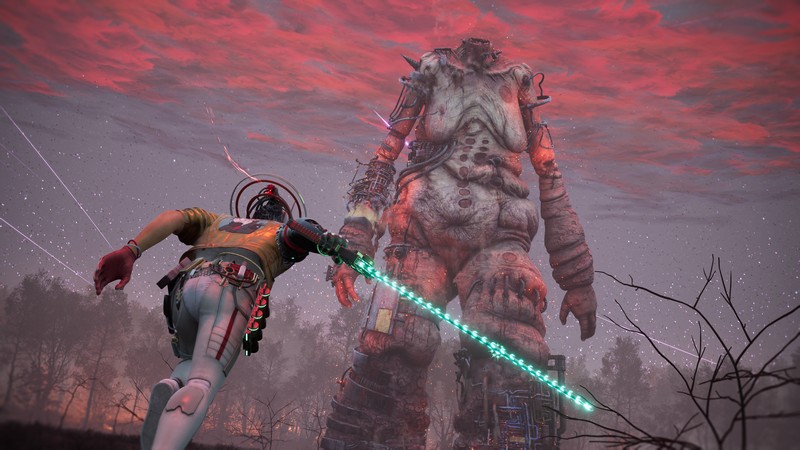
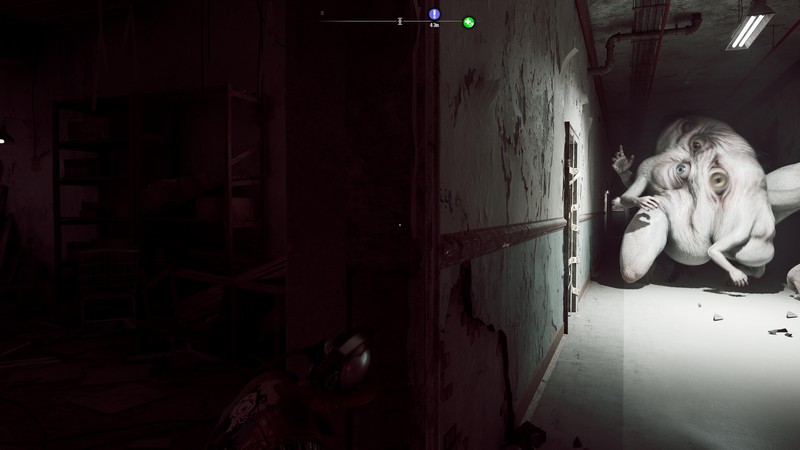
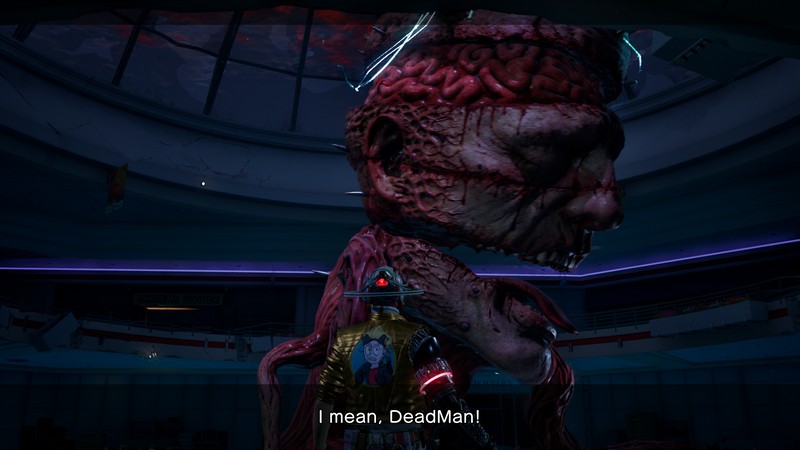
The main enemies you’ll be fighting are a variety of zombies and horrific monsters that often have some strong body horror vibes, but also a lot of personality between them, and each with their own strategies and weak spots that need to be exploited to survive. The bosses also tend to be towering, gigantic beasts with all kinds of body horror and gore elements as well, and with even more specific strategies and patterns to master to be able to finish them off. While many of them will most certainly kill you a few times while you learn their patterns, it makes their eventual defeat feel that much more satisfying.
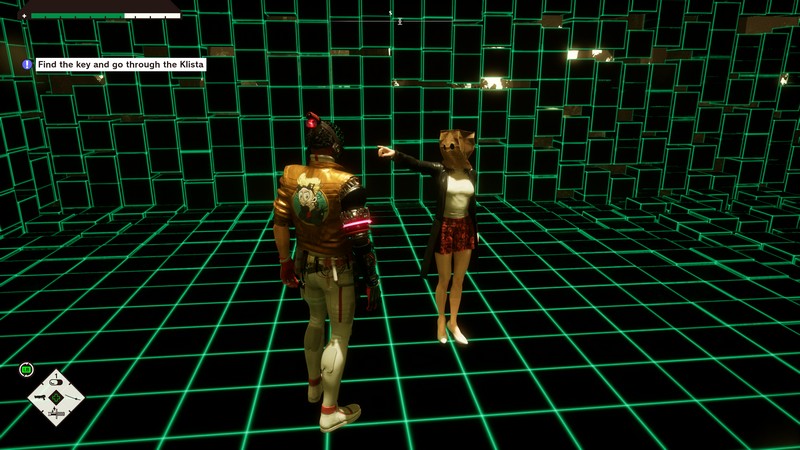
While you’re in the action segments, you won’t just be fighting enemies, since each third-person section also has a heavy amount of exploration and puzzle-solving to do, some of which feel straight out of a survival horror game, with clocks and keys and light backtracking. Many of the puzzle and exploration segments typically involve using some distorted TV screens to warp into another dimension of the same space, called “subspace,” which looks like a constantly-warping virtual world, and these segments generally focus on solving puzzles and finding hidden items rather than combat.
The way these subspace and puzzle elements are interspersed usually feels well-balanced and satisfying for the most part, though some of the puzzles and navigation of subspace can get especially confusing every once in a while, making for one of the only negative things I can say about the experience overall, as it can hold back pacing just a little bit from time to time.
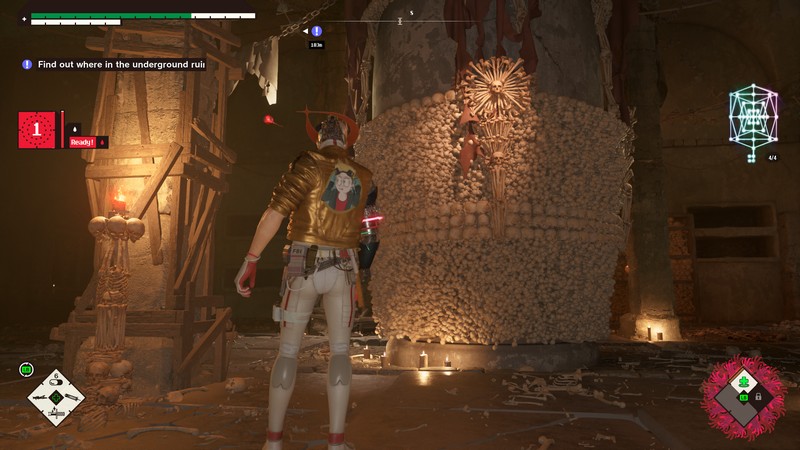
The exploration and time spent trying to find all the hidden items and areas is generally quite rewarding, with lots of upgrade points and useful items to be found, along with the extra experience points from killing the enemies. The combat feeling as fluid and satisfying as it does goes a long way towards a desire for more gameplay, so I was constantly compelled to complete the optional missions and dungeons several times over. In previous Grasshopper titles, the combat always felt just a little too simple or repetitive after playing for a little while, but Romeo manages to overcome that hump and feel like a truly well-rounded action game.
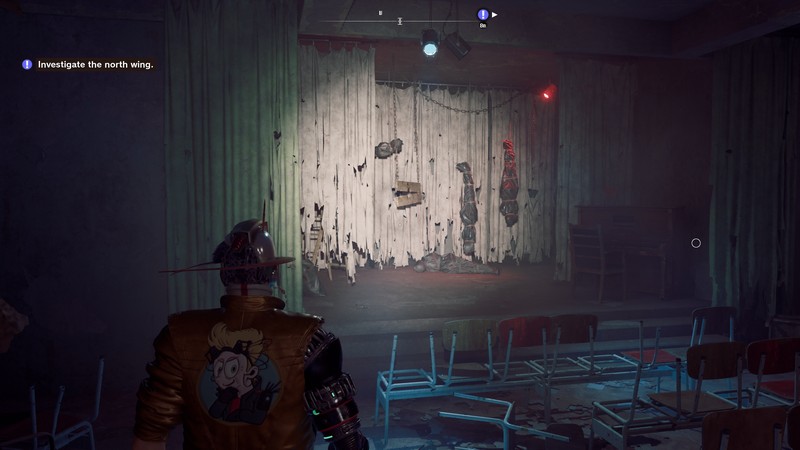
Aside from the normal hack & slash action stages, one of the later chapters in the game also plays out as a straight-up horror game, where you can’t actually fight any of the horrors you encounter. Instead, you’ll mostly be solving creepy puzzles and using stealth movement to avoid the enemies. This section was a real treat for a horror fan like me, and reminded me a bit of something like The Evil Within, but without the ability to fight, and it was a fantastic part of the game that doubled down on the horror aesthetics and atmosphere.
Visuals
Moving on to the visual elements, Romeo is also the sharpest and best-looking of all of Grasshopper’s games, and ran very smoothly throughout on the version I got to play, even in a pre-release state, which is a testament to the work that went into making the experience feel good for the player. Nearly every frame of what you see looks exciting, full, and artistic, while also maintaining the general wild and eclectic visual design of Grasshopper’s games.
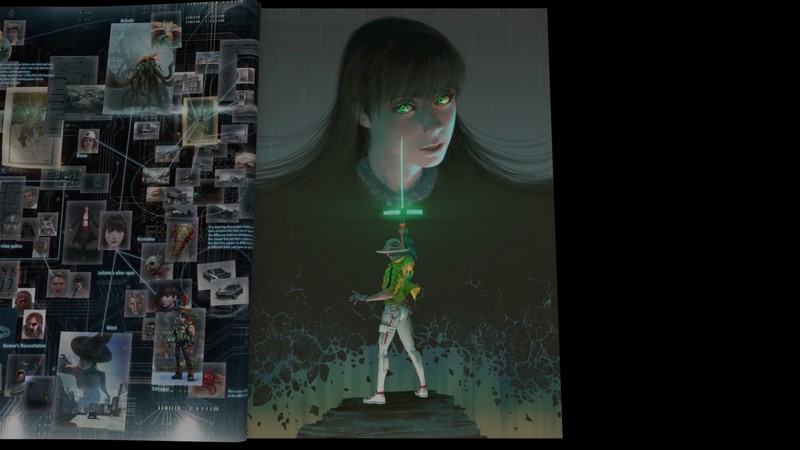
It also mixes all sorts of other mediums into the fray aside from just the 3D graphics, including the previously-mentioned 16-bit pixel segments on the ship, manga/comic story interludes, traditional 2D animation cutscenes of various styles, film-inspired scenes with lots of cinematic flair, and all sorts of other visual styles you might not expect. This makes the whole game feel like a multimedia art project that manages to have many different voices all serving the same themes and central experience.
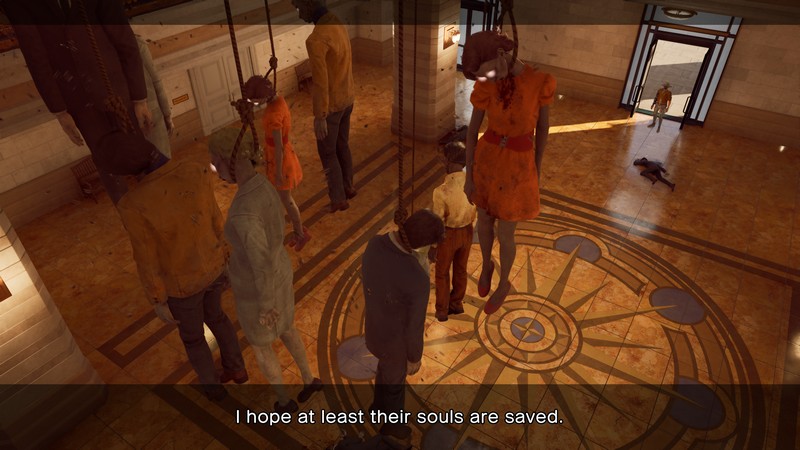
Each area looks and feels unique in its visual design, mixing dark/horror elements with sci-fi and anime aesthetics throughout, and the time travel element also usually makes each era you travel to have some other unique markers or visual themes to them based on the time they take place. Everything feels meticulously crafted and themed, despite having such an insane amount of influences and styles mixed together. The same goes for the gameplay, where despite all the genre hopping and different play styles, the tone is fairly consistent and somehow works as a whole.
Audio & Performance
Aside from the visuals, the audio design is great all-around, constantly contributing to the creepy and intense vibe throughout most of the game, with its foreboding, visceral, punchy, and unsettling design throughout the music/ambient tracks and the sound effects.
The controls and performance were generally great throughout the whole experience, with movement and action feeling snappy and responsive, and with no major crashes or crazy performance drops. There’s only one small exception in the controls, in that the camera can occasionally get stuck on walls or objects, making it so you can’t see the combat you’re engaged in without moving the camera somewhere else. This was never enough to ruin an entire run or combat encounter, but it’s one of the only negative things about the overall presentation and gameplay experience to report.
Conclusion
At the end of the day, Romeo Is A Dead Man is the most polished and satisfying thing that Grasshopper Manufacture has ever made. It evolves everything great about their previous games and mixes in a lot of other new elements as well. As with all of Suda and Grasshopper’s previous work, it will likely be divisive in the greater gaming zeitgeist, but nearly everything about it hit just right for my taste in art.
Provided you’re open to the genre-switching and the diverse gameplay mechanics contained within a single experience, along with a tone that doesn’t always lean into horror, (or if you’ve appreciated any of their previous third-person action titles,) this feels like the next step forward in the genre and ranks among the finest horror-infused action games available. It’s also one of the few examples in modern times of a relatively higher-budget game being Ars gratia artis (“art for art’s sake”), which is something that should be celebrated nowadays.
 (9.5 / 10)
Amazing
(9.5 / 10)Rely on Horror Review Score Guide
A review code for Xbox Series X was provided by the developer.