
When Total Chaos shadow-dropped with little fanfare but immediate availability, I didn’t know quite what to expect. The lineage of its creator, Sam Prebble, known for Turbo Overkill and his roots as a DOOM 2 total conversion modder, suggested something layered, perhaps even cult-ish in its identity.
What we got is a survival horror experience that tries to wear many hats, including classic survival tension, environmental storytelling, and a crafting system more complex than some other genre contemporaries. Some of it lands with precision, while other parts trip over their ambition.
At its core, Total Chaos is about survival in a very literal sense. You’re thrust onto Fort Oasis, an island once inhabited by its mining community, now a decaying wasteland teeming with monstrosities, ruins, and secrets that exist purely to unsettle. The moment that you, a member of the Coast Guard, step off that first boat and enter the island’s fog, the game makes its intention clear. This is not a sprint, but a slow, creeping grind.
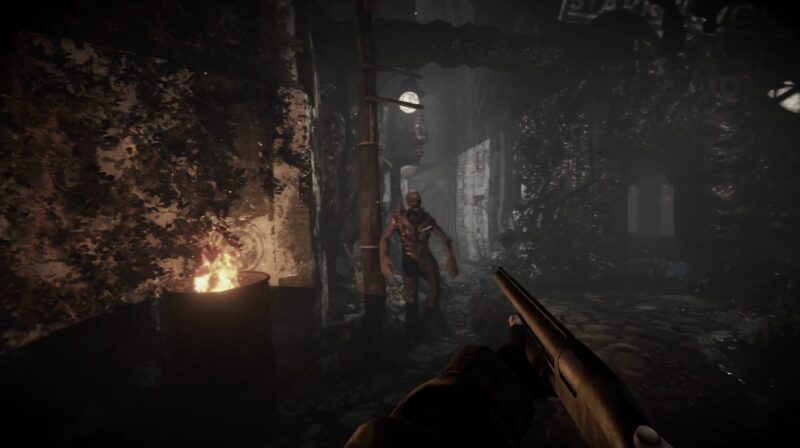
The most immediate thing I noticed is how Total Chaos borrows from classic survival horror sensibilities while mixing in its own mechanics. You gather materials from the environment and from fallen enemies, and you build, upgrade, and maintain a makeshift arsenal. It gives the game a nervous energy that feels almost tactile. When you cobble together some scraps, enough to make sure you don’t die, you really feel the satisfaction. Survival horror thrives on scarcity, and the crafting system reinforces that.
Still, crafting may not be for everyone. Some players want their horror distilled to atmosphere and dread, not resource management. Total Chaos sometimes leans so heavily into inventory juggling that the tension becomes mechanical rather than emotional. There were stretches when I wished the game would simply let me breathe and absorb the vibe instead of wondering whether I had enough parts to, well, survive into the next area.
Environmental storytelling, however, is where the game shines. Throughout its nine chapters, you uncover handwritten notes, photographs, and audio fragments that gradually reveal the island’s downfall. Fort Oasis feels like a place with real history. While rummaging through the ruins of a miner’s home or navigating a labyrinth of industrial decay, you get a sense that every space was deliberately constructed to evoke a quiet despair, which evokes a similar identity to horror behemoth Silent Hill.
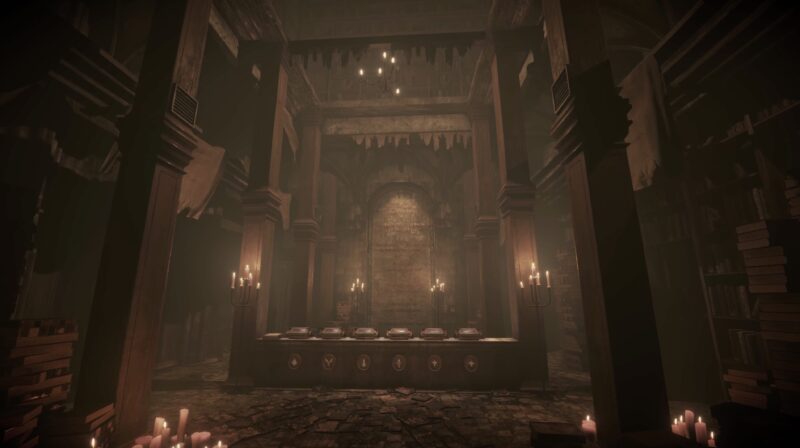
Which conveniently brings me to the decadently glorious sound design, another positive that only strengthens the game’s overall atmosphere. The standout is the credits track by the legendary Akira Yamaoka, the type of song that lingers long after it fades. His music instantly evokes a place, a memory, or a sinking feeling you can’t quite shake. Combined with the eerie and often, sensory feast of environmental audio, the soundscape becomes one of the game’s most effective tools.
Combat itself is competent but rarely surprising. Enemies behave predictably, and while the variety exists, it doesn’t redefine anything. Encounters rely on familiar patterns: engage, retreat, manage stamina, repeat. It’s steady and serviceable, if not particularly daring.
The game also gives you an unexpectedly bold option at the start: you can simply leave the island. Step back onto your boat, end the story before it begins, and the credits roll. It’s an amusing bit of design philosophy that almost reflects the game’s willingness to embrace player agency, but it also tells another truth, in that Total Chaos might feel like a handful of tonal experiments stitched together rather than a fully unified vision.
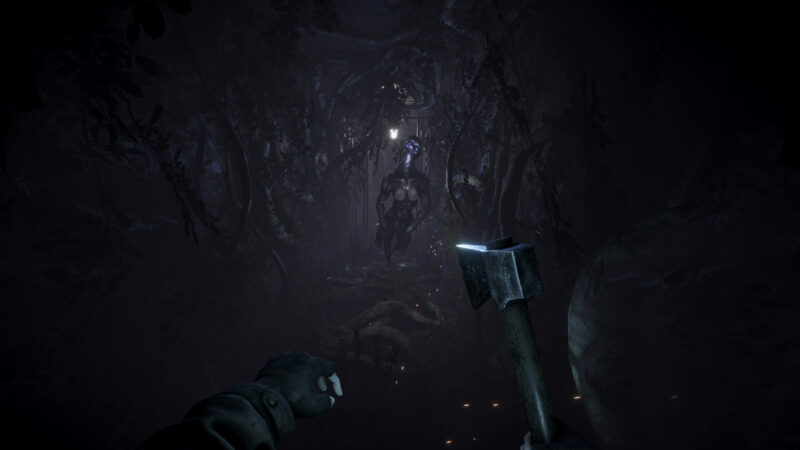
Pacing remains one of its strengths. Total Chaos is a deliberate, patient game. It expects you to sit with your discomfort, to inhabit its world without rushing. That approach works, but it also means the narrative payoff needs to carry weight. For some, it absolutely will. But for others, the destination may not justify the long march. I saw through the “guy imagines whether any of this real or all in his head” bit long ago, but for newcomers to this genre or horror, that just might be the win that gets you to keep on playing in the first place.
Total Chaos feels like a sincere love letter to survival horror, full of ambition and reverence for its influences. It doesn’t always transcend them, and at times it stumbles under the weight of its own ideas, but there’s a sincerity and rough artistry to it that, for me, was hard to dismiss. It’s memorable, atmospheric, and occasionally frustrating, ultimately a horror game with a beating heart (and a few tangled nerves.)
 (8 / 10)
Great
(8 / 10)Rely on Horror Review Score Guide
A PS5 review copy was provided by the publisher.